
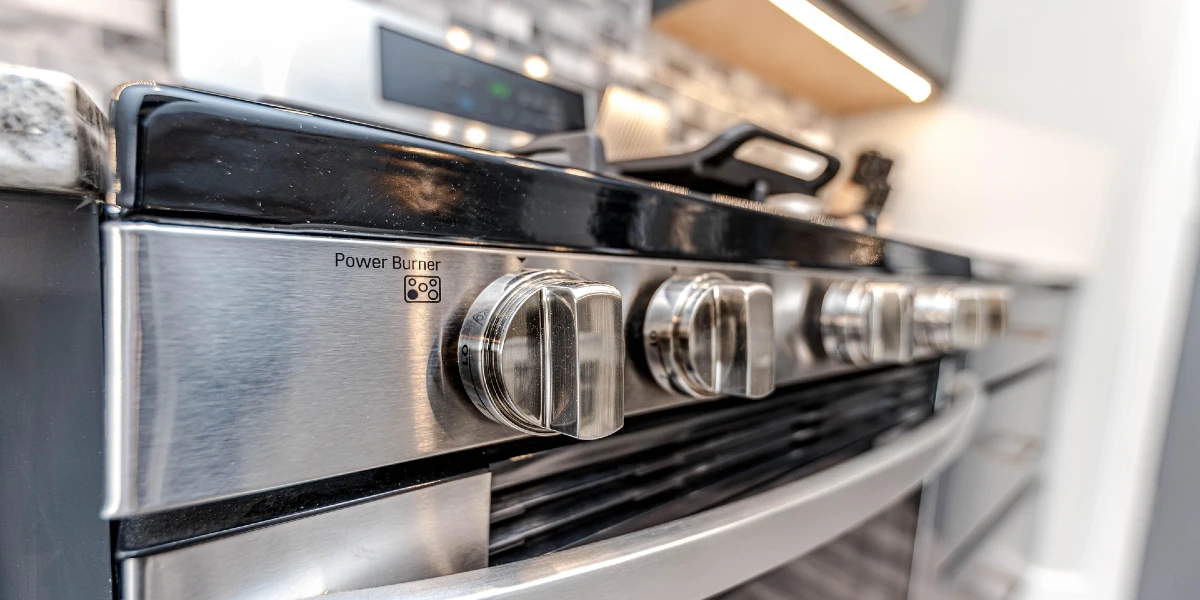
As technology advances, so does the world of appliance repair. Smart appliances are becoming more common in homes, and with them come new challenges and opportunities for repair. Understanding the future of appliance repair can help homeowners and renters make informed decisions when their appliances fail. This guide will explore common appliance issues, troubleshooting steps, and when to seek professional help.
Table of Contents
- Symptoms of Appliance Issues
- Common Causes of Appliance Failures
- DIY Checks and Troubleshooting
- Repair Options and Cost Factors
- Appliance Lifespan Considerations
- Practical Consumer Tips
- Common Mistakes to Avoid
- Safety Notes and When to Call a Professional
- Summary
- Frequently Asked Questions
Symptoms of Appliance Issues
When an appliance starts to fail, it often shows specific symptoms. Recognizing these early can save time and money. Here are common signs to look for:
- Unusual Noises: Grinding, buzzing, or clicking sounds can indicate mechanical issues.
- Leaking Water: Puddles around your dishwasher or refrigerator may signal a problem.
- Temperature Issues: If your refrigerator is not cold or your oven isnt heating, something is wrong.
- Electrical Problems: Flickering lights or tripped breakers when using an appliance can indicate an electrical fault.
Common Causes of Appliance Failures
Understanding what causes appliance failures can help in diagnosing problems. Here are some frequent culprits:
- Wear and Tear: Over time, parts can wear out and need replacement.
- Clogs: Dishwashers can clog with food debris, while dryers can accumulate lint.
- Electrical Issues: Faulty wiring or blown fuses can disrupt appliance function.
- Improper Use: Using appliances for purposes they werent designed for can lead to damage.
DIY Checks and Troubleshooting
Before calling a professional, there are simple checks you can perform:
1. Check Power Supply
Ensure the appliance is plugged in and that the outlet is working. You can test the outlet with another device.
2. Inspect for Blockages
For dishwashers and dryers, check for clogs. Remove any visible debris and clean filters.
3. Look for Leaks
Examine hoses and connections for signs of wear or damage. Tighten any loose connections.
4. Reset the Appliance
Sometimes, simply unplugging the appliance for a few minutes can reset the system and resolve minor issues.
Repair Options and Cost Factors
When it comes to repair, you have a few options:
- DIY Repairs: If youre comfortable, you can replace parts yourself. This is often cheaper but requires some skill.
- Professional Repair: Hiring a technician can be more expensive but ensures the job is done correctly.
Cost factors include:
- Type of appliance and the complexity of the repair.
- Cost of replacement parts.
- Service fees charged by technicians.
Appliance Lifespan Considerations
Understanding the expected lifespan of your appliances can guide your repair decisions:
- Refrigerators: Typically last 10-20 years.
- Washers and Dryers: Generally last 10-15 years.
- Dishwashers: Usually last about 9-12 years.
If your appliance is nearing the end of its lifespan, it may be more cost-effective to replace it rather than repair it.
Practical Consumer Tips
Here are some tips to keep your appliances running smoothly:
- Regularly clean filters and vents to prevent clogs.
- Follow the manufacturer’s guidelines for maintenance and care.
- Keep an eye on appliance performance; early detection can save money.
Common Mistakes to Avoid
When dealing with appliance repairs, avoid these common mistakes:
- Ignoring warning signs until its too late.
- Attempting repairs without proper knowledge or tools.
- Not consulting the user manual for troubleshooting advice.
Safety Notes and When to Call a Professional
Your safety is paramount. Here are some safety tips:
- Always unplug appliances before performing any maintenance.
- Use appropriate tools and wear safety gear if necessary.
- If you smell gas or notice sparks, turn off the appliance and call a professional immediately.
Its best to call a technician if:
- Youre unsure about the problem.
- The appliance is under warranty.
- You encounter complex electrical issues.
Summary
The future of appliance repair is evolving with technology, but the basics remain the same. Understanding symptoms, common causes, and troubleshooting steps can empower you as a homeowner or renter. Always prioritize safety and dont hesitate to call a professional when needed.
Frequently Asked Questions
- How often should I service my appliances? Regular maintenance is recommended at least once a year.
- What should I do if my appliance is under warranty? Contact the manufacturer or retailer for repair options.
- Can I repair my appliance myself? Yes, if you have the right tools and knowledge, but always prioritize safety.
- How do I know if its worth repairing my appliance? Consider the age of the appliance and the cost of repairs versus replacement.
- What are some signs that I need a new appliance? Frequent breakdowns and repairs, or if the appliance is over its expected lifespan.
Feeling confident about resolving your appliance issues is important. Whether you choose to troubleshoot on your own or call a professional, understanding your appliances will help you make the best decision for your home.