
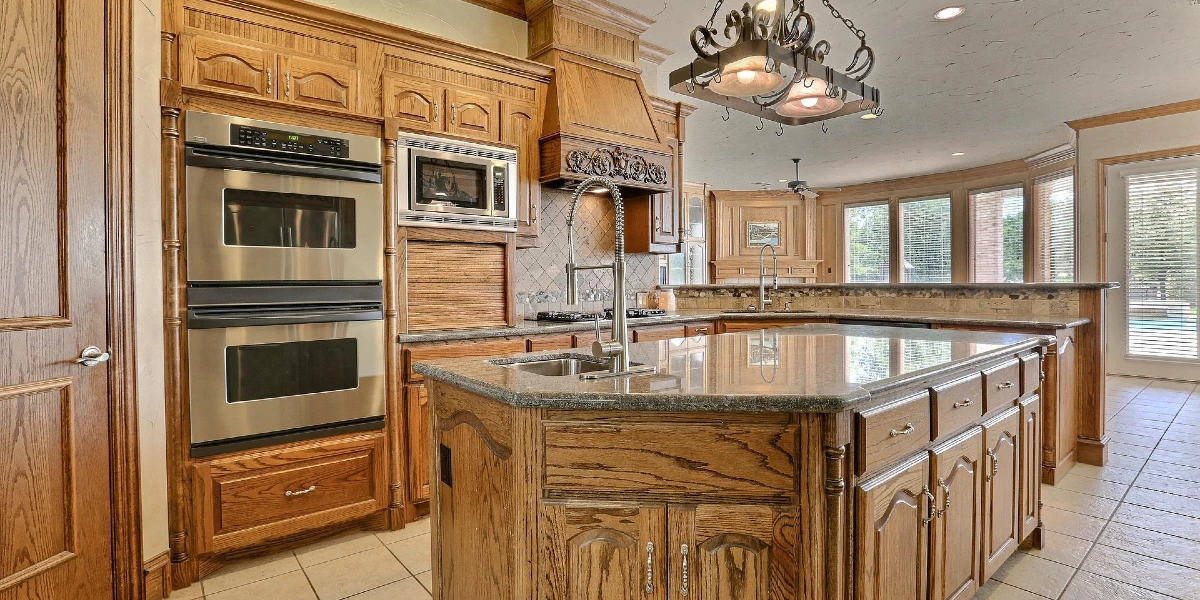
Is your oven not heating evenly? This common issue can lead to frustration, especially when you’re trying to bake or roast your favorite meals. Understanding the reasons behind uneven heating can help you troubleshoot the problem effectively. In this article, well explore the common causes, DIY checks, and practical solutions to get your oven back to cooking evenly.
Table of Contents
- Symptoms of Uneven Heating
- Common Causes of Uneven Heating
- DIY Checks and Troubleshooting
- Repair Options and Cost Factors
- Practical Consumer Tips
- Common Mistakes to Avoid
- Safety Notes and When to Call a Professional
- Summary
- Frequently Asked Questions
Symptoms of Uneven Heating
When your oven is not heating evenly, you may notice several symptoms:
- Food cooks unevenly, with some parts overcooked and others undercooked.
- Baked goods may rise unevenly or have a burnt side.
- Cooking times may vary significantly from recipe recommendations.
- Temperature readings may be inaccurate if you use an oven thermometer.
Common Causes of Uneven Heating
Several factors can contribute to uneven heating in your oven:
- Faulty Heating Elements: In electric ovens, the heating elements may wear out or become damaged, leading to inconsistent heat distribution.
- Malfunctioning Thermostat: The thermostat regulates the oven temperature. If its faulty, the oven may not heat to the set temperature.
- Blocked Vents: If air vents are blocked, heat may not circulate properly, causing hot and cold spots.
- Uneven Oven Racks: If the oven racks are not level, it can affect how heat is distributed to the food.
- Dirty Oven: A buildup of grease and food debris can insulate parts of the oven, preventing even heating.
DIY Checks and Troubleshooting
Before calling a professional, you can perform some basic checks:
1. Check the Heating Elements
For electric ovens, inspect the heating elements for any visible damage or breaks. Turn the oven on and see if both the top and bottom elements glow red. If one does not, it may need replacement.
2. Test the Thermostat
Place an oven thermometer inside the oven and set it to a specific temperature. After preheating, check the thermometer. If the temperature is significantly off, the thermostat may need calibration or replacement.
3. Inspect the Vents
Make sure the vents are clear of obstructions. Remove any food particles or grease that could block airflow.
4. Level the Oven Racks
Use a level to check if your oven racks are even. Adjust them if necessary to ensure proper heat distribution.
5. Clean the Oven
A thorough cleaning can help. Remove racks and clean the interior with a suitable oven cleaner. Ensure all surfaces are free from grease and debris.
Repair Options and Cost Factors
If your DIY checks indicate a problem, you may need to consider repair options:
- Heating Element Replacement: Costs can range from $50 to $150, depending on the model.
- Thermostat Replacement: Expect to pay between $100 and $300 for parts and labor.
- Professional Cleaning: Hiring a professional to clean your oven may cost around $100.
Practical Consumer Tips
To maintain even heating in your oven, consider these tips:
- Regularly clean your oven to prevent buildup.
- Use an oven thermometer to check temperature accuracy.
- Rotate food halfway through cooking for more even results.
- Do not overcrowd the oven; this can block airflow.
Common Mistakes to Avoid
When troubleshooting your oven, avoid these common mistakes:
- Ignoring warning signs like strange noises or smells.
- Not allowing the oven to preheat fully before cooking.
- Using the wrong cookware, which can affect heat distribution.
Safety Notes and When to Call a Professional
Always prioritize safety when working with appliances:
- Unplug the oven before performing any repairs.
- If you notice gas leaks or smell gas, turn off the gas supply and evacuate immediately.
- Consult a professional if youre uncomfortable performing repairs or if the problem persists after your checks.
Summary
Uneven heating in your oven can be frustrating, but with some basic troubleshooting, you can identify and often resolve the issue. Check the heating elements, thermostat, and vents, and maintain a clean oven for optimal performance. If the problem persists, dont hesitate to call a professional for assistance.
Frequently Asked Questions
- How can I tell if my oven thermostat is broken? If your oven temperature is consistently off by more than 25 degrees, it may be time to replace the thermostat.
- What should I do if my oven is smoking? Turn off the oven immediately and check for any food debris or grease that may be burning.
- Can I replace the heating element myself? Yes, if youre comfortable with basic electrical work, replacing a heating element can be a straightforward DIY task.
- How often should I clean my oven? Its a good practice to clean your oven every few months or after heavy use.
- Is it worth repairing an old oven? If the repair costs are less than half the price of a new oven, it might be worth fixing.
By following these guidelines, you can feel confident in addressing your oven’s uneven heating issues or knowing when to seek professional help. Your kitchen deserves to function smoothly, and with a little effort, it can!