
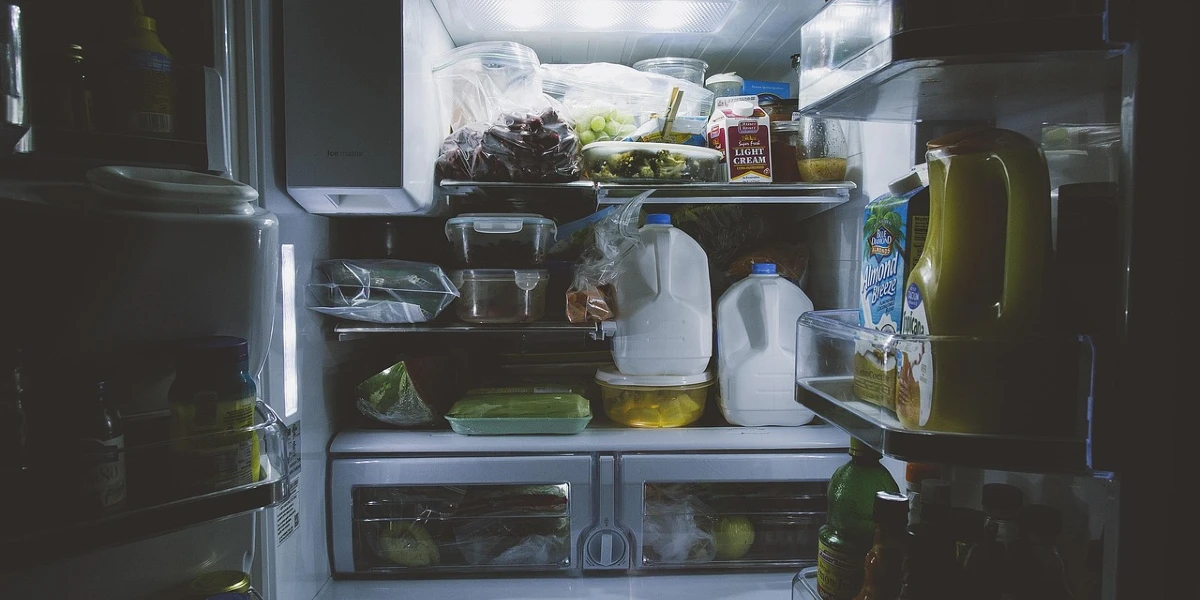
If your ice maker has suddenly stopped producing ice, you are not alone. This common issue can be frustrating, especially during hot days when a cool drink is a must. Understanding the potential causes and solutions can help you determine if you need a repair or if its a simple fix. This article will guide you through troubleshooting your ice maker, identifying common problems, and knowing when to call a professional.
Table of Contents
- Symptoms of a Malfunctioning Ice Maker
- Common Causes of Ice Maker Problems
- DIY Checks for Your Ice Maker
- Repair Options
- Cost Factors for Ice Maker Repairs
- Ice Maker Lifespan Considerations
- Practical Consumer Tips
- Common Mistakes to Avoid
- Safety Notes and When to Call a Professional
- Summary
- Frequently Asked Questions
Symptoms of a Malfunctioning Ice Maker
When your ice maker stops working, you may notice several signs:
- No ice production at all.
- Ice is being produced but is smaller than usual.
- Ice cubes are stuck together or have an unusual shape.
- The ice maker is making a loud noise or leaking water.
Common Causes of Ice Maker Problems
Understanding the causes can help you troubleshoot effectively. Here are some common issues:
- Water Supply Issues: If the water line is blocked or kinked, the ice maker wont receive water.
- Temperature Settings: If the freezer temperature is too warm, ice production will be affected.
- Faulty Components: Problems with the water inlet valve, ice mold thermostat, or the ice maker itself can cause failures.
- Clogged Filter: A clogged water filter can restrict water flow to the ice maker.
DIY Checks for Your Ice Maker
Before calling a technician, you can perform some basic checks:
Step 1: Check the Water Supply
Ensure that the water supply line is connected and not kinked. If you have a refrigerator with a water filter, check if it needs replacing.
Step 2: Inspect the Freezer Temperature
Make sure your freezer is set to 0°F (-18°C) or lower. If its warmer, adjust the temperature and wait 24 hours to see if ice production resumes.
Step 3: Examine the Ice Maker Unit
Look for any visible damage or ice buildup in the ice maker. If you see ice blocking the mechanism, carefully remove it.
Step 4: Listen for Sounds
When the ice maker is running, listen for any unusual sounds. If its silent, it may indicate a problem with the motor or electrical components.
Repair Options
If your DIY checks dont resolve the issue, consider these repair options:
- Replace the Water Filter: If clogged, replacing the filter can restore water flow.
- Fix the Water Inlet Valve: If the valve is faulty, it may need to be replaced.
- Repair or Replace the Ice Maker: If the ice maker itself is broken, it may need to be repaired or replaced.
Cost Factors for Ice Maker Repairs
The cost of repairing an ice maker can vary widely based on the problem:
- Replacing a water filter typically costs $30-$50.
- Repairing a water inlet valve can range from $150 to $300.
- Replacing the entire ice maker unit may cost between $200 and $500, including parts and labor.
Ice Maker Lifespan Considerations
Ice makers generally last about 5 to 10 years with proper maintenance. Regular cleaning and timely repairs can extend their lifespan.
Practical Consumer Tips
- Regularly clean your ice maker to prevent buildup and clogs.
- Check and replace water filters as recommended by the manufacturer.
- Keep the freezer temperature consistent to ensure optimal ice production.
Common Mistakes to Avoid
- Ignoring warning signs, such as unusual noises or leaks.
- Neglecting regular maintenance and cleaning.
- Attempting complex repairs without the right tools or knowledge.
Safety Notes and When to Call a Professional
Always prioritize safety when working with appliances:
- Unplug the appliance before performing any checks or repairs.
- If youre unsure about a repair, its best to call a professional.
- Consider contacting a technician if the ice maker is still under warranty.
Summary
When your ice maker is not making ice, it can be a simple problem or an indication of a more serious issue. By following the troubleshooting steps outlined in this article, you can determine the cause and decide whether to attempt a repair or call a professional. Remember, regular maintenance can help prevent many common issues.
Frequently Asked Questions
- Why is my ice maker making hollow ice cubes? This could be due to a clogged water filter or insufficient water supply.
- How often should I replace my ice maker’s water filter? Typically, every 6 months, but check your manufacturers recommendations.
- Can I fix my ice maker myself? Many minor issues can be fixed with DIY checks, but complex repairs may require a professional.
- What should I do if my ice maker is leaking water? First, check for any blockages or damaged parts, then consider calling a technician if the issue persists.
- How can I maintain my ice maker? Regularly clean it, replace filters, and ensure the water supply is clear and connected.
With the right knowledge and a little patience, you can troubleshoot your ice maker effectively. If the problem persists, dont hesitate to reach out to a professional repair service for assistance.