
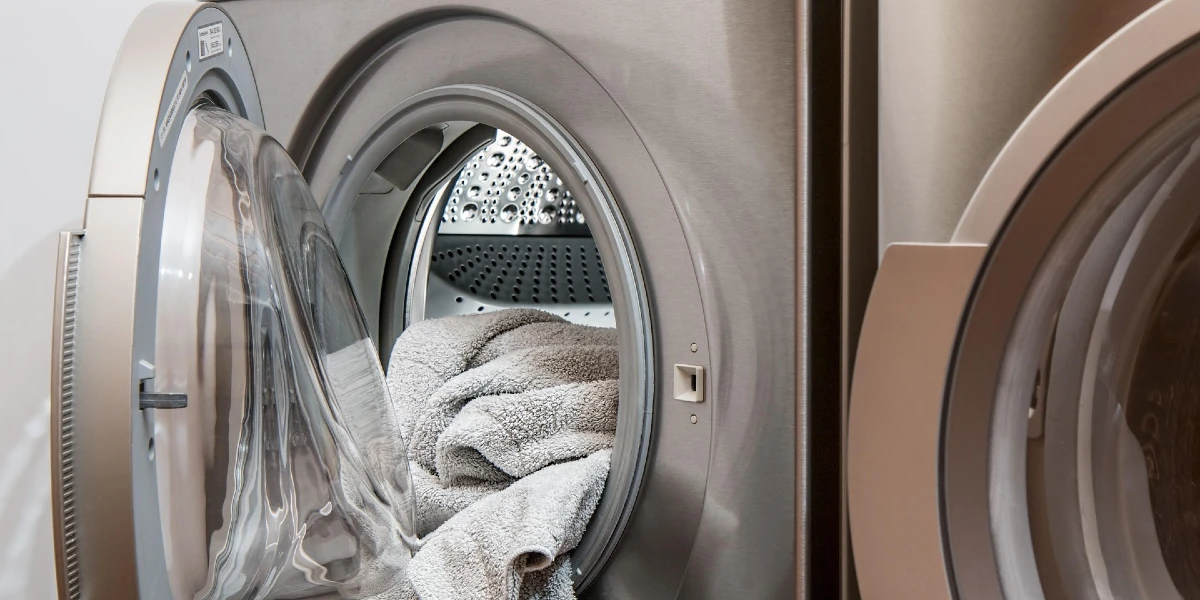
Water damage from laundry appliances can be a homeowner’s nightmare. Washing machines and dryers can leak or malfunction, leading to costly repairs and damage to your home. Understanding how to prevent flooding from these appliances is crucial for every homeowner or renter. This guide will provide you with practical tips and steps to keep your laundry area safe.
Table of Contents
- Understanding Appliance Flooding
- Symptoms and Causes of Flooding
- DIY Checks for Flood Prevention
- Repair Options and Cost Factors
- Practical Consumer Tips
- Common Mistakes to Avoid
- Safety Notes: When to Call a Professional
- Summary
- Frequently Asked Questions
Understanding Appliance Flooding
Flooding from laundry appliances typically occurs due to leaks or overflows. Understanding how your washing machine and dryer work can help you identify potential issues before they escalate. Common causes include worn hoses, faulty valves, and clogged drains.
Symptoms and Causes of Flooding
Common Symptoms
- Water pooling around the washing machine or dryer.
- Unusual noises during operation.
- Water stains on walls or floors near the laundry area.
- Frequent error messages on the machines display.
Common Causes
- Worn or Damaged Hoses: Over time, hoses can crack or become loose, leading to leaks.
- Faulty Water Inlet Valve: This valve controls the water flow into the machine. If it fails, it can cause flooding.
- Clogged Drain Pump: A clogged pump can cause water to back up and overflow.
- Overloading the Machine: Putting too many clothes in the washer can lead to excessive water use and potential leaks.
DIY Checks for Flood Prevention
Regular maintenance can help prevent flooding. Here are some simple checks you can perform:
Step 1: Inspect Hoses
- Check the water supply hoses for cracks or bulges.
- Ensure that hoses are tightly connected to both the machine and the water supply.
- Replace hoses every 5-7 years, or sooner if you notice any damage.
Step 2: Test the Water Inlet Valve
- Turn off the water supply and disconnect the hoses from the machine.
- Inspect the valve for any signs of corrosion or damage.
- Reconnect the hoses and turn the water back on to check for leaks.
Step 3: Clear the Drain Pump
- Locate the drain pump filter, usually found at the front or back of the machine.
- Remove any debris or lint that may be clogging the filter.
- Run a short wash cycle to ensure proper drainage.
Repair Options and Cost Factors
If you discover a problem that you cannot fix, it may be time to call a professional. Here are some common repair options and their estimated costs:
- Hose Replacement: $50 – $150, depending on the type of hose and labor.
- Water Inlet Valve Replacement: $100 – $250, including parts and labor.
- Drain Pump Repair or Replacement: $150 – $300, depending on the complexity of the issue.
Practical Consumer Tips
- Always turn off the water supply when the washer is not in use.
- Use a washing machine pan to catch any leaks.
- Keep the area around your appliances dry and free of clutter.
- Consider using a smart water leak detector that alerts you to leaks in real-time.
Common Mistakes to Avoid
- Ignoring small leaks or stains, thinking they will resolve on their own.
- Overloading the washing machine, which can lead to mechanical failure.
- Neglecting regular maintenance checks on hoses and valves.
Safety Notes: When to Call a Professional
If you notice any of the following, its best to call a professional:
- Persistent leaks that you cannot identify or fix.
- Unusual noises or error messages that dont go away.
- Water damage that has spread beyond the laundry area.
Summary
Preventing flooding from laundry appliances requires regular maintenance and awareness of potential issues. By inspecting hoses, testing valves, and keeping your machines clean, you can significantly reduce the risk of water damage. Remember, if you encounter problems beyond your expertise, don’t hesitate to reach out to a professional for help.
Frequently Asked Questions
- How often should I check my washing machine hoses? Its a good idea to check them every 6 months.
- What should I do if my washing machine overflows? Immediately turn off the machine and the water supply, then check for clogs or damaged hoses.
- Can I fix a leaking water inlet valve myself? If youre comfortable with basic repairs, you can replace it, but if not, its best to call a technician.
- What is the average lifespan of a washing machine? Most washing machines last about 10-15 years with proper care.
- How can I prevent mold from forming due to leaks? Keep the area dry and well-ventilated, and address leaks immediately.
By following these guidelines, you can feel confident in preventing flooding from your laundry appliances. Regular checks and maintenance will help keep your home safe and your appliances running smoothly. If you ever feel unsure, don’t hesitate to contact a professional repair service for assistance.