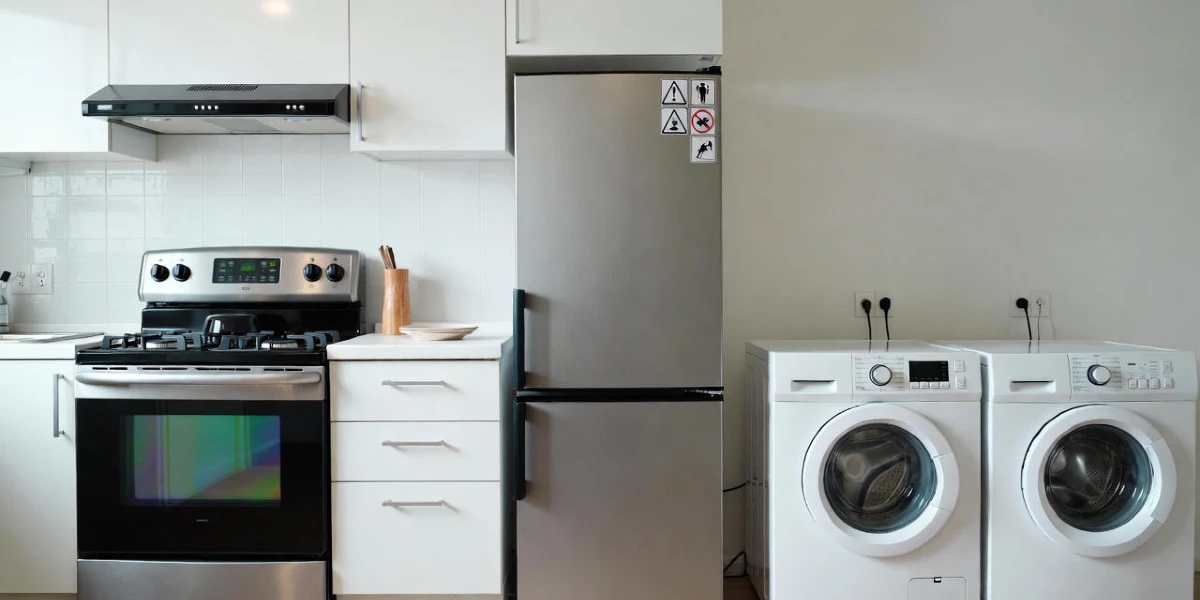
Home appliances are essential for our daily lives, making chores easier and more efficient. However, some appliances are known to fail earlier than expected. Understanding which appliances are prone to early failure can help you make informed decisions about repairs, replacements, and maintenance. In this article, we will explore common appliances that may fail early, their symptoms, causes, and what you can do to extend their lifespan.
Table of Contents
- Common Appliances Known to Fail Early
- Symptoms and Causes of Early Failure
- DIY Checks and Maintenance Tips
- Repair Options and Cost Factors
- Common Mistakes to Avoid
- Safety Notes and When to Call a Professional
- Summary
- Frequently Asked Questions
Common Appliances Known to Fail Early
Some appliances are more likely to experience issues than others. Here are a few that are known to fail early:
- Dishwashers: Often suffer from pump failures and electronic control problems.
- Refrigerators: Can fail due to compressor issues or coolant leaks.
- Washing Machines: Commonly face problems with the motor or drum bearings.
- Dryers: Frequently have issues with heating elements and drum belts.
- Microwaves: May fail due to magnetron or control board malfunctions.
Symptoms and Causes of Early Failure
Recognizing the symptoms of appliance failure can save you time and money. Here are some common signs to watch for:
Dishwashers
Symptoms include water pooling at the bottom, dishes not coming out clean, or strange noises. Common causes are clogged filters, faulty pumps, or broken spray arms.
Refrigerators
Look for signs like warm food, excessive frost buildup, or unusual noises. These issues often stem from a failing compressor, blocked vents, or a malfunctioning thermostat.
Washing Machines
Symptoms include leaking water, not spinning, or making loud banging noises. Causes can include worn-out bearings, damaged hoses, or a faulty motor.
Dryers
Watch for clothes taking too long to dry, unusual noises, or a burning smell. Common causes include clogged vents, broken heating elements, or worn drum belts.
Microwaves
Signs of failure include no power, strange noises, or food not heating properly. These may be caused by a faulty magnetron, blown fuse, or malfunctioning control board.
DIY Checks and Maintenance Tips
Performing regular maintenance can help extend the life of your appliances. Here are some simple checks you can do:
Dishwashers
- Clean the filter regularly to prevent clogs.
- Check spray arms for blockages.
Refrigerators
- Clean the condenser coils every six months.
- Ensure the door seals are tight to maintain efficiency.
Washing Machines
- Inspect hoses for leaks or cracks.
- Run a cleaning cycle with vinegar to remove buildup.
Dryers
- Clean the lint filter after every use.
- Check the vent for blockages to ensure proper airflow.
Microwaves
- Wipe down the interior regularly to avoid odors.
- Check the power cord for damage.
Repair Options and Cost Factors
If you encounter issues, you have a few options:
- DIY Repairs: For minor issues, you can often find guides online. Basic repairs like replacing a belt or cleaning filters can be done with minimal tools.
- Hiring a Technician: For complex problems, its best to call a professional. Costs can vary widely, typically ranging from $100 to $300, depending on the appliance and the issue.
Common Mistakes to Avoid
Avoid these common pitfalls to keep your appliances running smoothly:
- Neglecting regular maintenance.
- Ignoring warning signs until its too late.
- Using appliances for purposes they werent designed for.
Safety Notes and When to Call a Professional
Safety should always come first. Here are some tips:
- Unplug appliances before attempting any repairs.
- If you smell gas or notice sparks, evacuate the area and call a professional immediately.
- For electrical issues or complex repairs, its best to hire a licensed technician.
Summary
Understanding which appliances are known to fail early can help you take proactive steps to maintain them. Regular maintenance, recognizing symptoms, and knowing when to call a professional can save you time and money. By following these guidelines, you can feel more confident in handling appliance issues as they arise.
Frequently Asked Questions
- How can I tell if my appliance is worth repairing? If the repair cost is more than half the price of a new appliance, consider replacement.
- What is the average lifespan of major appliances? Most appliances last between 10 to 15 years, but this can vary based on usage and maintenance.
- How often should I perform maintenance on my appliances? Regular checks should be done every 3 to 6 months, depending on the appliance.
- Can I use my warranty for repairs? Yes, if your appliance is still under warranty, check the terms for repair coverage.
- What should I do if my appliance is making strange noises? Unplug it immediately and check for loose parts or call a technician if unsure.
By staying informed and proactive, you can tackle appliance issues with confidence or know when to seek professional help. Don’t hesitate to reach out for assistance if you need it!