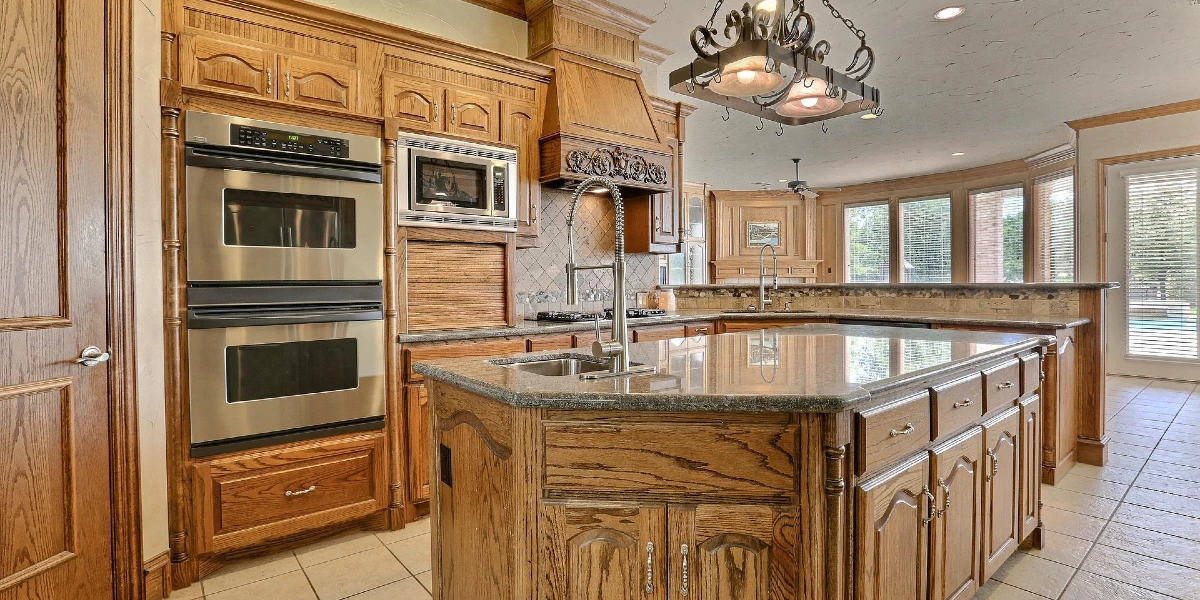
Understanding the difference between HVAC and appliance technicians can help you make informed decisions when your home systems need repair or maintenance. Both play essential roles in keeping your home comfortable and functional, but their areas of expertise differ significantly. In this article, well break down who does what, common issues they handle, and when to call for help.
Table of Contents
- Understanding HVAC Technicians
- Understanding Appliance Technicians
- Common Issues and Repair Options
- Practical Consumer Tips
- Common Mistakes to Avoid
- Safety Notes
- Summary
- Frequently Asked Questions
Understanding HVAC Technicians
HVAC stands for Heating, Ventilation, and Air Conditioning. HVAC technicians specialize in systems that control the temperature and air quality in your home. They are trained to work on:
- Furnaces
- Air conditioners
- Heat pumps
- Ventilation systems
Common HVAC Symptoms
Here are some signs that you might need an HVAC technician:
- Inconsistent temperatures in different rooms.
- Unusual noises coming from your heating or cooling system.
- Increased energy bills without a change in usage.
- Foul odors from vents.
DIY Checks for HVAC Systems
Before calling a technician, you can perform a few simple checks:
- Check your thermostat settings to ensure they are correct.
- Inspect air filters and replace them if they are dirty.
- Look for any visible blockages in vents.
Understanding Appliance Technicians
Appliance technicians focus on the repair and maintenance of household appliances. This includes:
- Refrigerators
- Washing machines
- Dryers
- Dishwashers
- Ovens and stoves
Common Appliance Symptoms
Signs that you may need an appliance technician include:
- Appliance not turning on or off.
- Strange noises during operation.
- Leaks or water pooling around the appliance.
- Food not staying cold in the refrigerator.
DIY Checks for Appliances
Here are some basic checks you can do:
- Ensure the appliance is plugged in and the outlet is working.
- Check for any visible blockages or clogs.
- Inspect hoses for leaks or damage.
Common Issues and Repair Options
Both HVAC and appliance technicians handle a variety of problems. Heres a breakdown of common issues:
HVAC Common Issues
- Heating or Cooling Failure: This could be due to a broken thermostat, dirty filters, or a malfunctioning compressor.
- Air Quality Problems: Poor air quality can result from dirty ducts or filters.
Appliance Common Issues
- Not Turning On: This could be an electrical issue or a blown fuse.
- Leaking Water: Often caused by worn seals or clogged hoses.
Practical Consumer Tips
Here are some helpful tips for both HVAC and appliance maintenance:
- Schedule regular maintenance checks for both HVAC systems and appliances.
- Keep manuals for all your appliances and HVAC systems for reference.
- Consider investing in a home warranty that covers repairs for both HVAC and appliances.
Common Mistakes to Avoid
Avoid these common pitfalls:
- Ignoring warning signs like strange noises or odors.
- Delaying maintenance until a breakdown occurs.
- Attempting complex repairs without proper knowledge.
Safety Notes
Always prioritize safety when dealing with HVAC systems and appliances:
- Turn off power to the appliance or HVAC system before attempting any checks.
- If you smell gas, evacuate the area and call a professional immediately.
- Use proper tools and protective gear when performing any DIY tasks.
Summary
Understanding the roles of HVAC and appliance technicians can help you address issues in your home more effectively. While HVAC technicians focus on heating and cooling systems, appliance technicians specialize in household appliances. Knowing when to call a professional can save you time and money.
Frequently Asked Questions
- How often should I service my HVAC system?
Its recommended to have a professional service your HVAC system at least once a year. - What should I do if my appliance is leaking?
Turn off the appliance and check for visible issues. If you cant find the source, call a technician. - Can I perform my own appliance repairs?
Simple tasks like changing filters can be done, but for complex repairs, its best to call a professional. - How can I extend the lifespan of my appliances?
Regular maintenance, cleaning, and using appliances as intended can help extend their lifespan. - What is the average cost of HVAC repair?
Costs can vary widely, but typical repairs range from $150 to $500 depending on the issue.
Feeling confident in resolving your appliance problems or knowing when to contact a professional can help keep your home running smoothly. Remember, regular maintenance is key to extending the lifespan of your HVAC systems and appliances.