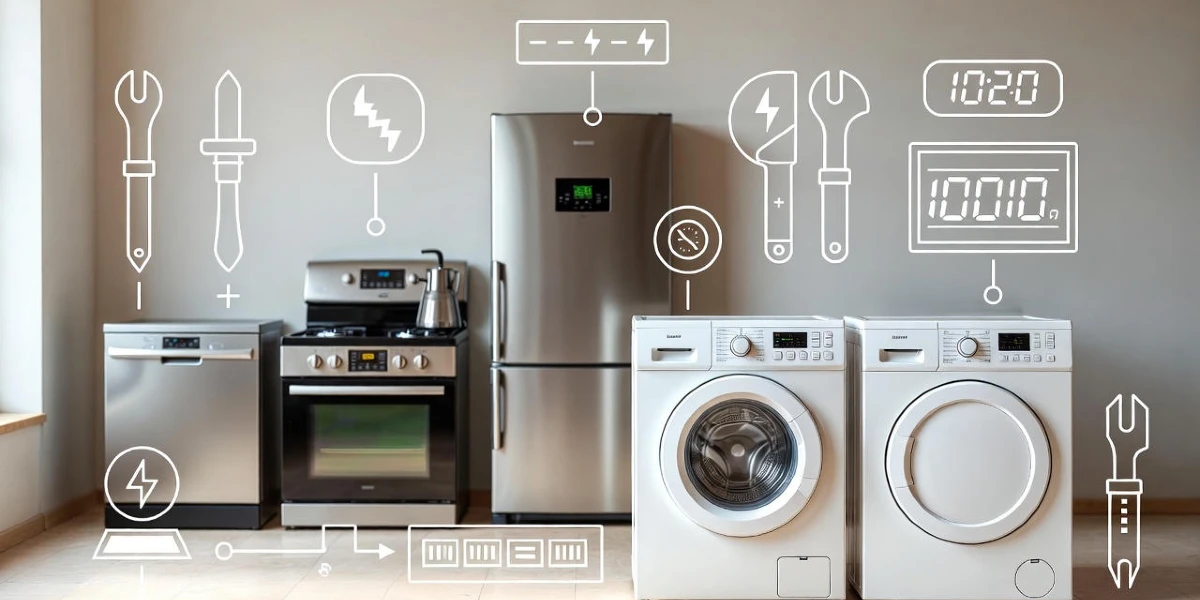
As homeowners and renters, we rely heavily on our appliances for daily tasks. From washing machines to refrigerators, these machines make our lives easier. However, when they break down, the cost of repair can be surprising, especially with rising service call fees. Understanding why these fees are increasing can help you make informed decisions about appliance repairs and maintenance.
Table of Contents
- Understanding Service Call Fees
- Common Appliance Failures
- Diagnosing Appliance Issues
- Cost Factors in Appliance Repairs
- Practical Consumer Tips
- Common Mistakes to Avoid
- Safety Notes and When to Call a Professional
- Summary
- Frequently Asked Questions
Understanding Service Call Fees
Service call fees are charges that technicians apply for coming to your home to diagnose or repair an appliance. These fees can vary widely based on location, the complexity of the issue, and the technician’s experience. Over the years, several factors have contributed to the rising costs of these service calls.
Common Appliance Failures
Appliances can fail for many reasons. Here are some common issues:
- Refrigerator Not Cooling: This could be due to a faulty compressor, dirty condenser coils, or a malfunctioning thermostat.
- Washing Machine Won’t Spin: Issues may arise from a broken drive belt, a clogged drain pump, or a malfunctioning lid switch.
- Oven Not Heating: A broken heating element, faulty thermostat, or issues with the power supply can cause this problem.
Diagnosing Appliance Issues
Before calling a technician, you can perform some basic checks:
- Check Power Supply: Ensure the appliance is plugged in and that the outlet is functioning. You can test the outlet with another device.
- Inspect for Obvious Issues: Look for leaks, strange noises, or error codes on digital displays.
- Clean the Appliance: Sometimes, a simple cleaning can resolve issues, especially with refrigerators and washing machines.
Cost Factors in Appliance Repairs
Several factors contribute to the rising service call fees:
- Labor Costs: Technicians require training and experience, which can increase their hourly rates.
- Parts Availability: Some parts may be hard to find or expensive, adding to the overall repair cost.
- Travel Expenses: Technicians often charge for travel time, especially in rural areas.
Practical Consumer Tips
Here are some tips to help you manage appliance repair costs:
- Regular Maintenance: Keep your appliances clean and well-maintained to prevent breakdowns. For example, clean refrigerator coils every six months.
- Know Your Warranty: Check if your appliance is still under warranty. This can save you from service call fees.
- Ask for Estimates: Before agreeing to repairs, ask for a detailed estimate. This can help you avoid unexpected costs.
Common Mistakes to Avoid
Avoid these common pitfalls when dealing with appliance issues:
- Ignoring Warning Signs: Don’t wait too long to address issues. Early intervention can prevent more significant problems.
- DIY Repairs Without Knowledge: Attempting repairs without understanding the appliance can lead to further damage or safety hazards.
- Neglecting Safety Precautions: Always unplug appliances before inspecting or cleaning them to avoid electrical shocks.
Safety Notes and When to Call a Professional
Some situations require professional help:
- If you smell gas or see sparks, turn off the appliance and call a professional immediately.
- If the appliance is leaking water, it may cause electrical issues or damage to your home.
- When in doubt, consult a technician to avoid injury or further damage.
Summary
Service call fees are rising due to various factors, including increased labor costs and parts availability. Understanding common appliance failures and performing basic checks can help you manage repair costs. Regular maintenance and knowing when to call a professional can save you both time and money.
Frequently Asked Questions
- What is a typical service call fee? Service call fees can range from $50 to $150, depending on your location and the technician’s experience.
- Can I fix my appliance myself? Some minor issues can be fixed with basic tools and knowledge, but always prioritize safety and consult a professional if unsure.
- How can I prevent appliance breakdowns? Regular cleaning and maintenance, along with prompt attention to warning signs, can help extend the life of your appliances.
- Are there warranties for appliance repairs? Many repair services offer warranties on their work, so ask about this when you call.
- When should I replace my appliance instead of repairing it? If the repair cost exceeds 50% of the appliance’s value, it may be time to consider a replacement.
By understanding the reasons behind rising service call fees and following these practical tips, you can feel more confident in addressing your appliance issues. Whether you decide to tackle a repair yourself or call a professional, being informed will help you make the best choice for your home.