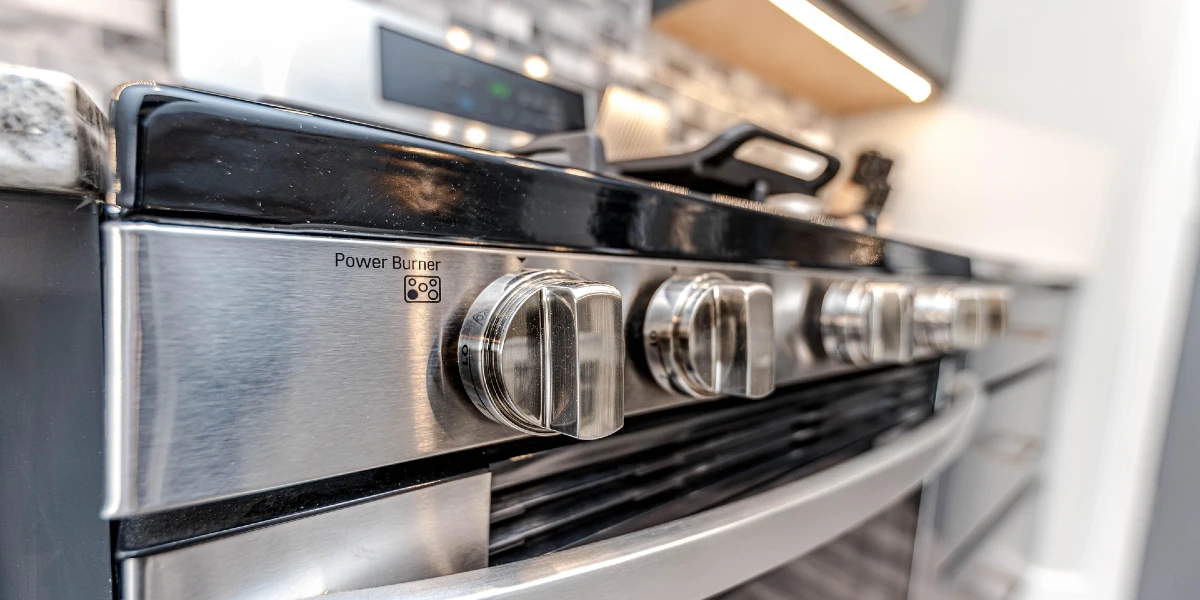
Gas ovens are a popular choice for many households due to their efficiency and ability to provide precise temperature control. However, they also come with safety risks that need to be addressed. This Gas Oven Safety Checklist will help you ensure that your oven operates safely and efficiently, protecting you and your family from potential hazards.
Table of Contents
- Common Symptoms of Gas Oven Issues
- Common Causes of Gas Oven Problems
- DIY Checks for Your Gas Oven
- Repair Options and Cost Factors
- Lifespan Considerations for Gas Ovens
- Practical Consumer Tips
- Common Mistakes to Avoid
- Safety Notes and When to Call a Professional
- Summary
- Frequently Asked Questions
Common Symptoms of Gas Oven Issues
Recognizing the signs of a gas oven problem is crucial for safety. Here are some symptoms to watch for:
- Unusual smells: A strong gas odor is a warning sign. If you smell gas, turn off the oven and ventilate the area immediately.
- Flames: If you see flames outside the burner area, this could indicate a serious issue.
- Inconsistent heating: If your oven is not heating evenly, it may need servicing.
- Burner ignition problems: If the burner does not ignite or takes too long to light, there may be a blockage or electrical issue.
Common Causes of Gas Oven Problems
Understanding the causes of these symptoms can help you troubleshoot effectively:
- Clogged burners: Food debris can block the gas flow, causing ignition issues.
- Faulty igniter: A malfunctioning igniter may not produce the spark needed to light the gas.
- Gas supply issues: Problems with the gas line or valve can prevent proper gas flow.
- Thermostat malfunction: An inaccurate thermostat can lead to uneven cooking temperatures.
DIY Checks for Your Gas Oven
Before calling a technician, you can perform some simple checks:
- Inspect the burners: Remove any debris from the burner holes. Clean them gently with a soft brush.
- Check the igniter: Look for cracks or damage. If its dirty, clean it carefully with a damp cloth.
- Test the gas supply: Ensure the gas valve is fully open. If you suspect a gas supply issue, do not attempt repairs yourself.
- Calibrate the thermostat: Use an oven thermometer to check if the temperature matches the set temperature. Adjust if necessary.
Repair Options and Cost Factors
If your DIY checks reveal a problem, you may need to consider repair options:
- Igniter replacement: This can cost between $100 and $300, depending on the model.
- Gas line repairs: Professional repairs can range from $150 to $500, depending on the complexity.
- Thermostat replacement: This typically costs between $100 and $250.
Always get a quote before proceeding with repairs to avoid unexpected costs.
Lifespan Considerations for Gas Ovens
Gas ovens typically last 10 to 15 years. Regular maintenance can extend their lifespan. Here are some tips:
- Keep the oven clean to prevent buildup.
- Check the gas lines regularly for leaks.
- Schedule professional inspections every few years.
Practical Consumer Tips
Here are some practical tips to ensure your gas oven remains safe and efficient:
- Always follow the manufacturer’s instructions for use and maintenance.
- Consider installing a gas detector in your kitchen.
- Keep a fire extinguisher nearby, specifically one rated for kitchen fires.
Common Mistakes to Avoid
Avoid these common mistakes to keep your gas oven safe:
- Ignoring gas odors. Always take gas smells seriously.
- Attempting complex repairs without proper knowledge.
- Neglecting regular maintenance checks.
Safety Notes and When to Call a Professional
Safety should always be your top priority. Call a professional if:
- You smell gas and cannot locate the source.
- Your oven has persistent ignition issues.
- You notice any physical damage to the gas line or oven components.
Summary
Regularly checking your gas oven can prevent hazards and ensure it operates efficiently. By following this Gas Oven Safety Checklist, you can maintain a safe cooking environment for you and your family. If you encounter any serious issues, dont hesitate to contact a professional for help.
Frequently Asked Questions
- How often should I clean my gas oven? Its best to clean your oven every few months, or more frequently if you use it often.
- What should I do if I smell gas? Turn off the oven, ventilate the area, and contact your gas company immediately.
- Can I repair my gas oven myself? Minor issues can often be fixed at home, but for serious problems, its best to call a professional.
- How can I tell if my oven is leaking gas? A strong smell of gas or a hissing sound near the oven can indicate a leak.
- What is the average lifespan of a gas oven? Most gas ovens last between 10 to 15 years with proper maintenance.
By following these guidelines, you can feel confident in maintaining your gas oven and ensuring a safe cooking environment. If you encounter any issues beyond your expertise, dont hesitate to reach out to a professional repair service.