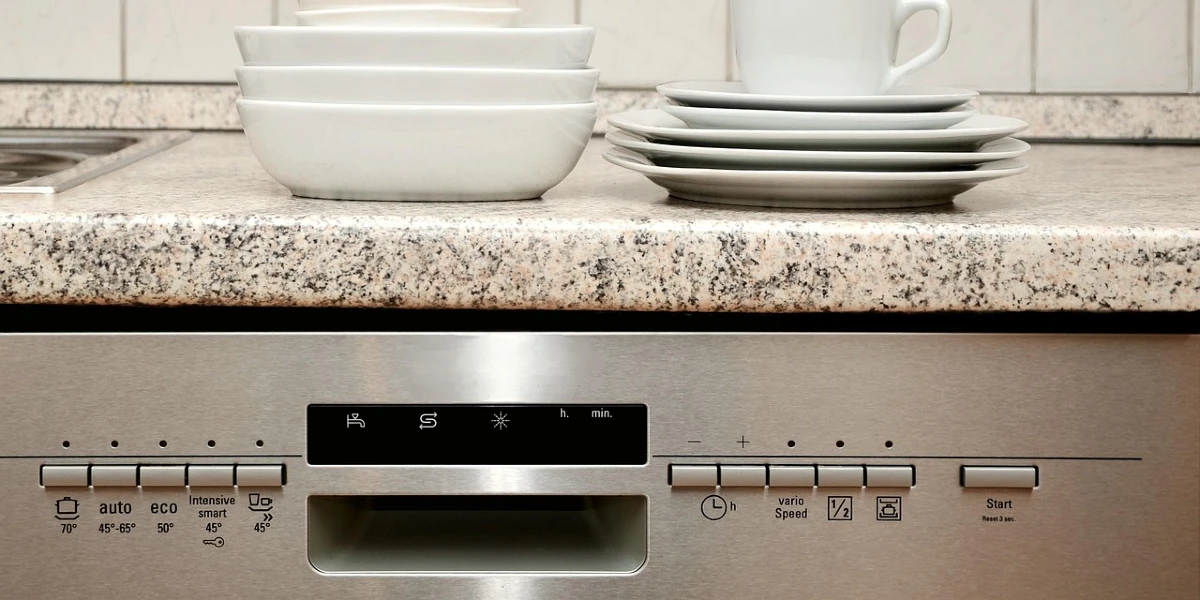
If your Bosch dishwasher is not cleaning well, it can be frustrating. You rely on this appliance to keep your dishes spotless and hygienic. Understanding the common issues and solutions can help you troubleshoot the problem effectively. In this guide, well walk you through the symptoms, causes, and steps you can take to get your Bosch dishwasher back to its best performance.
Table of Contents
- Symptoms of Poor Cleaning
- Common Causes
- DIY Checks and Troubleshooting
- Repair Options
- Cost Factors
- Lifespan Considerations
- Practical Consumer Tips
- Common Mistakes to Avoid
- Safety Notes and When to Call a Professional
- Summary
- Frequently Asked Questions
Symptoms of Poor Cleaning
When your Bosch dishwasher is not cleaning well, you may notice:
- Dishes come out dirty or with food residue.
- Glasses appear cloudy or have spots.
- Utensils and pots are not thoroughly cleaned.
- Unpleasant odors coming from the dishwasher.
Common Causes
Several factors can lead to poor cleaning performance in your Bosch dishwasher:
- Clogged Filters: The filter traps food particles and debris. If its clogged, water cannot circulate properly.
- Blocked Spray Arms: Spray arms distribute water during the wash cycle. If they are blocked, water cannot reach all areas of the dishes.
- Low Water Temperature: If the water isnt hot enough, it may not clean effectively. The ideal temperature is around 120°F.
- Poor Detergent Use: Using the wrong type or insufficient amount of detergent can affect cleaning performance.
- Hard Water Deposits: Mineral buildup can occur if you have hard water, leading to reduced cleaning efficiency.
DIY Checks and Troubleshooting
Here are some simple steps to diagnose and potentially fix the issue:
1. Check the Filter
To clean the filter:
- Open the dishwasher door and remove the bottom rack.
- Locate the filter at the bottom of the dishwasher.
- Unscrew or lift out the filter and rinse it under warm water to remove debris.
- Reinstall the filter and run a short cycle to check for improvement.
2. Inspect the Spray Arms
To check the spray arms:
- Remove the spray arms by unscrewing them or pulling them off.
- Rinse them under water to remove any blockages.
- Ensure the holes are clear for proper water flow.
- Reattach the spray arms and test the dishwasher.
3. Test Water Temperature
To check the water temperature:
- Run hot water in your kitchen sink for a few minutes.
- Use a thermometer to measure the temperature. It should be around 120°F.
- If its lower, consider adjusting your water heater settings.
4. Use the Right Detergent
Ensure you are using a high-quality dishwasher detergent. Check the packaging for the recommended amount based on your load size.
Repair Options
If the DIY checks do not resolve the issue, consider these options:
- Professional Cleaning: A technician can clean internal components that may be difficult to access.
- Parts Replacement: If components like the pump or heating element are faulty, they may need replacing.
Cost Factors
Repair costs can vary based on the issue:
- Filter cleaning is usually free if done yourself.
- Professional service can range from $100 to $300, depending on the problem.
- Parts replacement can add to the cost, with parts typically ranging from $20 to $150.
Lifespan Considerations
Bosch dishwashers typically last 10-15 years. Regular maintenance can extend their lifespan and improve performance.
Practical Consumer Tips
- Run hot water in the sink before starting the dishwasher.
- Do not overload the dishwasher; ensure proper spacing for water flow.
- Regularly clean the filter and spray arms to prevent buildup.
Common Mistakes to Avoid
- Using too much detergent can cause residue buildup.
- Ignoring maintenance checks can lead to bigger problems.
- Not checking for blockages in the drain can lead to poor performance.
Safety Notes and When to Call a Professional
Always unplug the dishwasher before performing any maintenance. If you are uncomfortable with repairs or if the problem persists, its best to call a professional technician. Signs that you should call a pro include:
- Strange noises during operation.
- Water leaks around the appliance.
- Persistent error codes on the display.
Summary
When your Bosch dishwasher is not cleaning well, it can often be resolved with some simple troubleshooting steps. Regular maintenance and proper usage can prevent many issues. If problems persist, dont hesitate to reach out to a professional for assistance.
Frequently Asked Questions
- How often should I clean the filter? Its best to clean the filter every month or after heavy use.
- Can I use regular dish soap in my dishwasher? No, use only dishwasher-specific detergents to avoid excessive suds.
- What should I do if my dishes are still dirty after cleaning? Check for blockages and ensure youre using the right detergent and water temperature.
- Is it normal for my dishwasher to make noise? Some noise is normal, but loud or unusual sounds may indicate a problem.
- How can I improve the lifespan of my dishwasher? Regular maintenance, proper loading, and using the right detergent can help.
Feeling confident about resolving your Bosch dishwasher issues is important. With the right steps, you can troubleshoot effectively or know when to call a professional. Dont hesitate to reach out for help if needed!