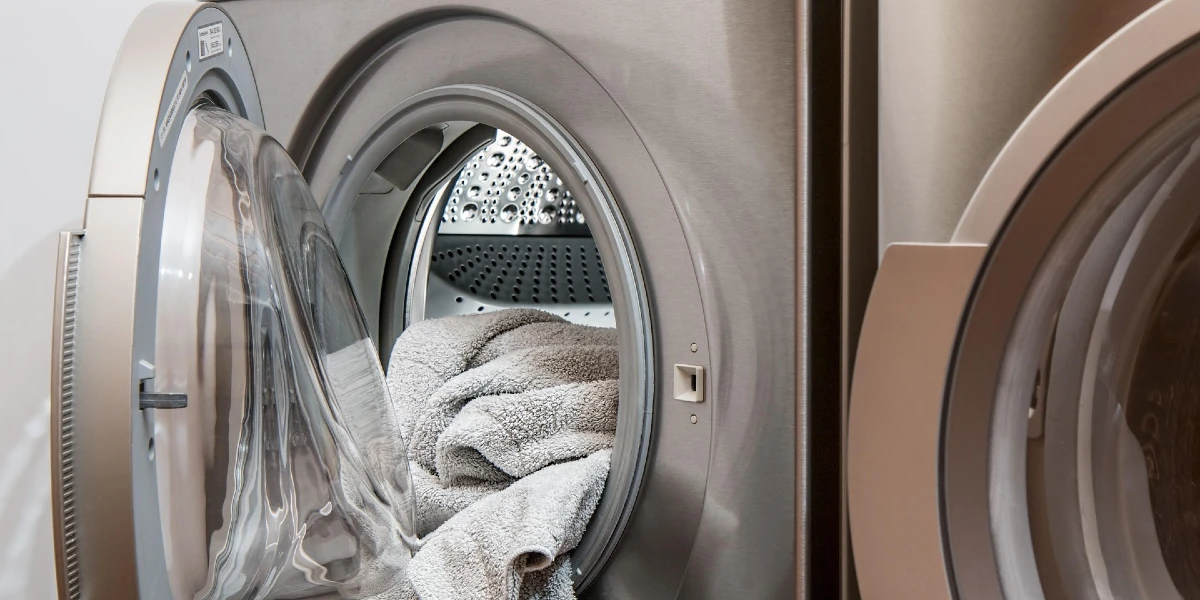
Is your dryer taking longer than usual to dry your clothes? This common issue can be frustrating, especially when youre in a hurry. Fortunately, there are several troubleshooting steps you can take to identify and potentially fix the problem. In this guide, well walk you through the symptoms, causes, and solutions to help you get your dryer back in working order.
Table of Contents
- Symptoms of a Slow Dryer
- Common Causes of a Slow Dryer
- DIY Checks and Troubleshooting Steps
- Repair Options and Cost Factors
- Practical Consumer Tips
- Common Mistakes to Avoid
- Safety Notes and When to Call a Professional
- Summary
- Frequently Asked Questions
Symptoms of a Slow Dryer
Before you begin troubleshooting, its important to identify the symptoms of a dryer that is taking too long to dry clothes. Look for the following signs:
- Clothes are still damp after a full drying cycle.
- Drying times are significantly longer than usual.
- Clothes feel hot but are still wet.
- Lint buildup in the lint trap or vent.
Common Causes of a Slow Dryer
Several factors can cause your dryer to take longer to dry clothes. Understanding these can help you pinpoint the issue:
- Clogged Ventilation: A blocked vent can restrict airflow, causing longer drying times.
- Faulty Heating Element: If the heating element is not functioning properly, the dryer may not produce enough heat.
- Overloading: Putting too many clothes in the dryer can prevent proper airflow and drying.
- Moisture Sensor Issues: A malfunctioning moisture sensor may not accurately detect when clothes are dry.
DIY Checks and Troubleshooting Steps
Here are some simple steps you can take to troubleshoot your dryer:
1. Check the Lint Filter
Start by removing the lint filter and cleaning it. A clogged filter can greatly reduce airflow. Wash it with warm, soapy water and let it dry completely before reinserting it.
2. Inspect the Vent Hose
Examine the vent hose for kinks or blockages. Disconnect it from the dryer and use a vacuum or a vent cleaning brush to remove any lint buildup.
3. Test the Heating Element
If your dryer runs but doesnt heat, the heating element may be faulty. You can test it using a multimeter. If youre not comfortable doing this, its best to call a professional.
4. Check for Overloading
Remove some clothes from the dryer if its overloaded. A good rule of thumb is to fill the dryer no more than three-quarters full.
5. Clean the Moisture Sensor
Locate the moisture sensor (usually found inside the drum) and wipe it with a soft cloth. This can help ensure it accurately detects moisture levels.
Repair Options and Cost Factors
If your troubleshooting efforts dont resolve the issue, it may be time to consider repairs. Here are some common repair options:
- Vent Cleaning: Hiring a professional to clean your dryer vent can cost between $100 and $200.
- Heating Element Replacement: Replacing a heating element typically costs between $200 and $300, including parts and labor.
- Moisture Sensor Replacement: This repair can range from $100 to $150.
Practical Consumer Tips
To keep your dryer running efficiently, consider these maintenance tips:
- Clean the lint filter after every use.
- Schedule a professional vent cleaning at least once a year.
- Ensure the dryer is level to prevent improper drying.
- Use dryer balls to improve airflow and reduce drying time.
Common Mistakes to Avoid
Avoid these common mistakes that can lead to dryer issues:
- Neglecting to clean the lint trap and vent regularly.
- Overloading the dryer with too many clothes.
- Ignoring strange noises or smells coming from the dryer.
Safety Notes and When to Call a Professional
Always prioritize safety when troubleshooting your dryer. Here are some safety tips:
- Unplug the dryer before performing any maintenance or repairs.
- Be cautious when using tools, especially around electrical components.
- If youre unsure about any repairs, its best to call a professional technician.
Summary
Experiencing a dryer that takes forever to dry can be a hassle, but with the right troubleshooting steps, you can often resolve the issue yourself. Start with simple checks like cleaning the lint filter and inspecting the vent. If problems persist, consider repair options or consult a professional. Remember, regular maintenance can prevent many dryer issues in the future.
Frequently Asked Questions
- How often should I clean my dryer vent? Its recommended to clean your dryer vent at least once a year.
- What is the average lifespan of a dryer? Most dryers last between 10 to 15 years with proper maintenance.
- Can I use my dryer if its not heating? No, its best to stop using the dryer until the heating issue is resolved.
- How can I tell if my dryer vent is clogged? If your clothes take longer to dry or the dryer feels excessively hot, your vent may be clogged.
- What should I do if my dryer is making strange noises? Unplug the dryer and check for any loose parts or foreign objects. If the noise persists, consult a professional.
By following these steps and tips, you can feel confident in diagnosing and resolving your dryer issues. If you find the problem too complex, dont hesitate to reach out to a professional repair service for assistance.