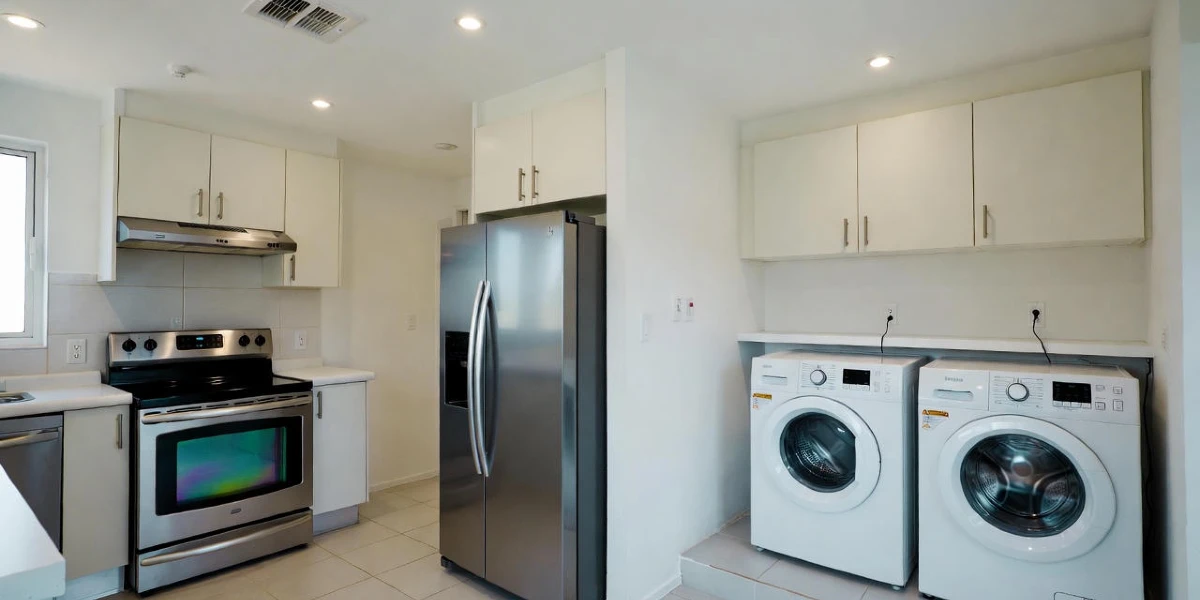
Smart refrigerators are a fantastic addition to modern kitchens, offering convenience and advanced features that traditional models lack. However, like any appliance, they can encounter issues. Understanding common problems can help you troubleshoot effectively and decide when to call for professional help. In this article, we will explore typical smart refrigerator issues, symptoms, causes, and practical solutions.
Table of Contents
- Common Smart Refrigerator Issues
- Diagnosing Problems
- Practical Consumer Tips
- Common Mistakes to Avoid
- Safety Notes and When to Call a Professional
- Summary
- Frequently Asked Questions
Common Smart Refrigerator Issues
1. Temperature Fluctuations
One common issue with smart refrigerators is temperature fluctuations. If your fridge is too warm or too cold, it can spoil food or freeze items.
- Symptoms: Food spoiling quickly, ice forming in the refrigerator section.
- Causes: Dirty condenser coils, faulty thermostat, or blocked vents.
2. Water Leakage
Water pooling around your refrigerator can indicate a problem.
- Symptoms: Puddles of water on the floor, dampness around the fridge.
- Causes: Clogged defrost drain, damaged door seal, or a broken water line.
3. Ice Maker Issues
If your smart refrigerator has an ice maker, it may stop producing ice.
- Symptoms: No ice being made, ice cubes stuck together.
- Causes: Frozen water line, faulty ice maker, or low water pressure.
4. Smart Features Not Responding
Sometimes, the smart features of your refrigerator may not work as expected.
- Symptoms: Touchscreen not responding, Wi-Fi connectivity issues.
- Causes: Software glitches, connectivity problems, or hardware malfunctions.
Diagnosing Problems
When you notice an issue, follow these steps to diagnose the problem:
- Check the Temperature Settings: Make sure the thermostat is set correctly.
- Inspect the Vents: Ensure that vents are not blocked by food items.
- Examine the Door Seals: Look for cracks or tears in the door seals that may let cold air escape.
- Clean the Condenser Coils: Dust and debris can affect performance. Unplug the fridge and clean the coils with a vacuum or brush.
Practical Consumer Tips
Here are some practical tips to maintain your smart refrigerator:
- Regular Maintenance: Clean the condenser coils every six months to keep your fridge running efficiently.
- Check Water Filters: Replace water filters regularly to ensure clean water and ice.
- Use the Right Settings: Keep the fridge temperature between 35°F and 38°F and the freezer at 0°F.
Common Mistakes to Avoid
When dealing with smart refrigerator issues, avoid these common mistakes:
- Ignoring Warning Signs: Dont wait too long to address issues like unusual noises or temperature changes.
- Overloading the Fridge: Avoid cramming too much food inside, which can block airflow.
- Neglecting Software Updates: Keep your refrigerators software updated to ensure all smart features work correctly.
Safety Notes and When to Call a Professional
While many issues can be resolved with DIY methods, some situations require professional help:
- Electrical Issues: If you notice burning smells or sparks, unplug the refrigerator and call a technician immediately.
- Complex Repairs: If the ice maker or cooling system fails, its best to consult a professional.
- Water Leaks: Persistent leaks may indicate a serious issue that requires expert assessment.
Summary
Smart refrigerators enhance our kitchen experience but can encounter issues. By understanding common problems and following simple troubleshooting steps, you can often resolve minor issues yourself. However, dont hesitate to call a professional for more complex problems to ensure your appliance is safe and functional.
Frequently Asked Questions
1. How long do smart refrigerators last?
On average, a smart refrigerator can last between 10 to 20 years, depending on usage and maintenance.
2. What should I do if my refrigerator is making strange noises?
Check for loose items inside, ensure the fridge is level, and listen for the source of the noise. If it persists, consider calling a technician.
3. How can I reset my smart refrigerator?
Most smart refrigerators can be reset by unplugging them for a few minutes and then plugging them back in. Check your manual for specific instructions.
4. Why is my refrigerator running constantly?
This could be due to a dirty condenser coil, blocked vents, or a malfunctioning thermostat. Cleaning and checking these components can help.
5. Can I repair my refrigerator myself?
Many minor issues can be fixed with basic tools and knowledge. However, for complex problems, its advisable to consult a professional.
6. What are the signs that my refrigerator needs to be replaced?
Frequent repairs, inefficient cooling, and high energy bills are signs that it may be time for a replacement.
With the right knowledge and tools, you can tackle many common smart refrigerator issues confidently. Remember, if you ever feel unsure, reaching out to a professional is always a safe choice.