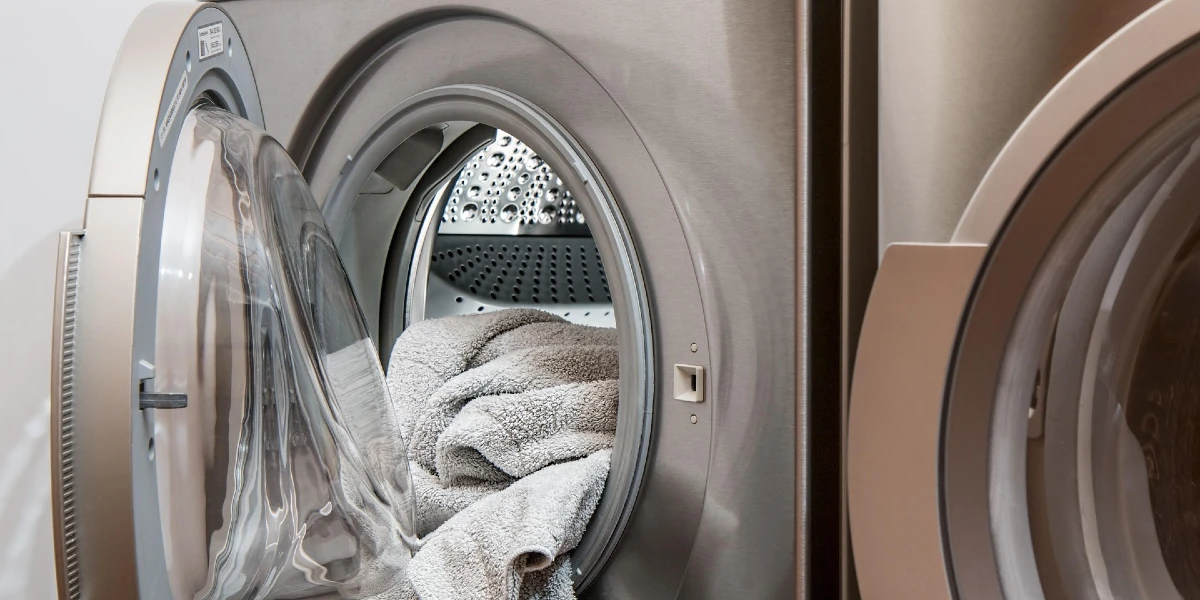
Having a washing machine that wont spin can be frustrating, especially when youre left with a load of wet laundry. While TikTok hacks may promise quick fixes, understanding the real causes and solutions is crucial for effective repairs. In this article, well explore common symptoms, causes, and the best steps to take when your washer isnt spinning. Well also discuss when its time to call a professional.
Table of Contents
- Symptoms of a Washer Not Spinning
- Common Causes
- DIY Checks and Solutions
- Repair Options and Cost Factors
- Practical Consumer Tips
- Common Mistakes to Avoid
- Safety Notes and When to Call a Professional
- Summary
- Frequently Asked Questions
Symptoms of a Washer Not Spinning
When your washer fails to spin, you may notice:
- Clothes are still wet after the cycle.
- The washer makes a humming noise but doesnt spin.
- The drum doesnt move at all.
- Error codes displayed on the control panel.
Common Causes
Several issues can prevent your washer from spinning:
- Overloaded Washer: Too many clothes can prevent the drum from spinning.
- Drainage Issues: A clogged drain hose or pump can stop the spin cycle.
- Door Lock Problems: If the door isnt securely closed, the washer wont spin.
- Faulty Motor or Belt: These components may wear out over time, affecting performance.
- Unbalanced Load: If the load is uneven, the washer may not spin to prevent damage.
DIY Checks and Solutions
Before calling a technician, try these simple checks:
1. Check the Load Size
Ensure you havent overloaded the washer. Remove some items and try running the spin cycle again.
2. Inspect the Drain Hose
Make sure the drain hose isnt kinked or clogged. Clear any blockages and ensure its positioned correctly.
3. Test the Door Lock
Open and close the door firmly. Listen for a click that indicates the lock is engaged. If the door lock is faulty, it may need replacement.
4. Balance the Load
If you suspect an unbalanced load, redistribute the clothes evenly in the drum and try spinning again.
5. Check for Error Codes
Refer to your washers manual for error codes. This can help pinpoint specific issues.
Repair Options and Cost Factors
If your DIY checks dont resolve the issue, consider these repair options:
- Replacing the Door Lock: This typically costs between $50 to $150, including parts and labor.
- Clearing Clogs: If a technician needs to clear the drain pump or hose, expect to pay around $100 to $200.
- Motor or Belt Replacement: This can be more expensive, ranging from $150 to $300, depending on the model.
Practical Consumer Tips
To maintain your washer and prevent future issues:
- Regularly clean the lint filter and drain pump.
- Avoid overloading the washer.
- Use the correct detergent and settings for your load type.
- Periodically check hoses for wear and tear.
Common Mistakes to Avoid
When troubleshooting your washer, avoid these common pitfalls:
- Ignoring the user manual: It often contains specific troubleshooting tips for your model.
- Using too much detergent: This can lead to excess suds, affecting the spin cycle.
- Neglecting maintenance: Regular checks can prevent bigger problems down the road.
Safety Notes and When to Call a Professional
Always prioritize safety when working with appliances:
- Unplug the washer before performing any checks or repairs.
- If youre uncomfortable with any steps, dont hesitate to call a professional.
- Seek help if you notice unusual noises, smells, or leaks.
Summary
When your washer isnt spinning, it can be tempting to rely on quick fixes from social media. However, understanding the real issues and applying practical solutions can save you time and money. Remember to perform simple checks first, maintain your appliance regularly, and dont hesitate to call a professional when needed.
Frequently Asked Questions
- What should I do if my washer is making a loud noise while spinning?
Check for unbalanced loads or foreign objects in the drum. - How often should I clean my washing machine?
Its good to clean your washer every few months to prevent buildup. - Can I use my washer if its not spinning properly?
Its best to avoid using it until the issue is resolved to prevent further damage. - How long do washing machines typically last?
Most washers last about 10-15 years with proper maintenance. - When should I consider replacing my washer?
If repairs exceed half the cost of a new unit, replacement may be wise.
With the right knowledge and steps, you can confidently address your washer issues or decide when its time to seek professional help. Don’t let a malfunctioning appliance disrupt your routine—take action today!