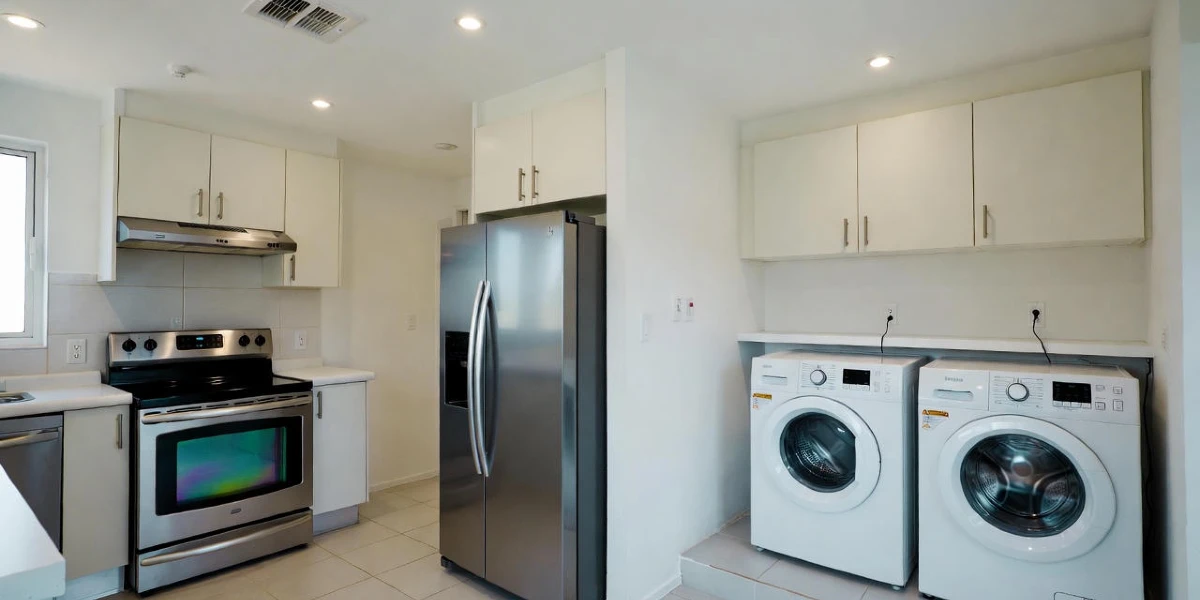
LG refrigerators are known for their innovative features and reliable performance. However, like any appliance, they can encounter problems over time. Understanding common issues can help you troubleshoot effectively and decide when to call for professional help. This guide will walk you through the top problems with LG refrigerators, how to identify them, and what steps you can take to resolve them.
Table of Contents
- Common Issues with LG Refrigerators
- Diagnosing Problems
- Repair Options
- Cost Factors
- Practical Consumer Tips
- Common Mistakes to Avoid
- Safety Notes
- Summary
- Frequently Asked Questions
Common Issues with LG Refrigerators
Here are some of the most common problems you might encounter with your LG refrigerator:
- Not Cooling: If your refrigerator is warm, it may not be cooling properly.
- Water Leaks: Puddles of water around your fridge can indicate a clogged defrost drain or a faulty water line.
- Noisy Operation: Unusual noises can be a sign of a malfunctioning fan or compressor.
- Ice Buildup: Excessive frost can block airflow and affect cooling efficiency.
- Temperature Fluctuations: If your fridge is inconsistent in temperature, it may be due to a faulty thermostat.
Diagnosing Problems
To diagnose issues with your LG refrigerator, follow these steps:
Step 1: Check the Power Supply
Ensure the refrigerator is plugged in and that the outlet is functioning. You can test the outlet by plugging in another appliance.
Step 2: Listen for Noises
Pay attention to any unusual sounds. A buzzing or clicking noise may indicate a problem with the compressor or fan.
Step 3: Inspect the Temperature Settings
Make sure the temperature settings are appropriate. The fridge should be set between 35°F and 38°F, and the freezer should be at 0°F.
Step 4: Look for Ice Buildup
Check for frost buildup in the freezer. If theres excessive ice, it could block airflow and cause cooling issues.
Step 5: Examine the Door Seals
Inspect the door seals for any cracks or gaps. Damaged seals can cause cold air to escape, leading to temperature problems.
Repair Options
Once youve diagnosed the problem, consider these repair options:
- Cleaning the Condenser Coils: Dusty coils can affect cooling. Unplug the fridge and clean the coils with a brush or vacuum.
- Defrosting the Freezer: If ice buildup is severe, unplug the fridge and let it defrost completely before plugging it back in.
- Replacing Door Seals: If seals are damaged, replace them to improve efficiency.
- Checking the Water Line: For leaks, inspect the water line for cracks and replace if necessary.
Cost Factors
Understanding the potential costs of repairs can help you budget effectively:
- Simple repairs, like cleaning coils or replacing seals, can cost between $50 and $150.
- More complex repairs, such as replacing a compressor, can range from $300 to $600.
- Always consider the age of your refrigerator; if its older than 10 years, it may be more cost-effective to replace it rather than repair it.
Practical Consumer Tips
Here are some tips to keep your LG refrigerator running smoothly:
- Regularly clean the condenser coils every six months.
- Keep the fridge stocked, as a full fridge maintains temperature better than an empty one.
- Check and replace water filters every six months to ensure clean water and ice.
- Monitor the temperature regularly using a thermometer to catch issues early.
Common Mistakes to Avoid
Avoid these common pitfalls when dealing with LG refrigerator problems:
- Ignoring warning signs like strange noises or temperature changes.
- Overloading the fridge, which can block airflow and lead to cooling issues.
- Neglecting regular maintenance, such as cleaning and checking seals.
Safety Notes
When working on your refrigerator, keep these safety tips in mind:
- Always unplug the refrigerator before performing any repairs.
- Use caution when working with sharp tools or edges.
- If you feel uncomfortable with any repairs, dont hesitate to call a professional.
Summary
LG refrigerators are generally reliable, but they can experience issues like cooling problems, leaks, and noise. By understanding these common problems and following the troubleshooting steps outlined in this guide, you can often resolve issues on your own. Regular maintenance and being proactive can help extend the life of your appliance. If you encounter a problem that seems beyond your ability to fix, dont hesitate to contact a professional repair service.
Frequently Asked Questions
- How long do LG refrigerators typically last?
The average lifespan of an LG refrigerator is about 10 to 15 years, depending on usage and maintenance. - What should I do if my refrigerator is not cooling?
Check the power supply, temperature settings, and inspect for ice buildup or blocked vents. - How can I prevent water leaks?
Regularly check the water line for leaks and ensure the defrost drain is clear. - Is it worth repairing an old refrigerator?
If the repair costs are less than half the price of a new unit and the fridge is in good condition, it may be worth repairing. - When should I call a professional?
If youre unsure about a repair, feel uncomfortable, or if the problem persists after basic troubleshooting, its best to call a technician.
With the right knowledge and a little effort, you can confidently tackle many LG refrigerator problems. If you ever feel overwhelmed, remember that professional help is just a call away.