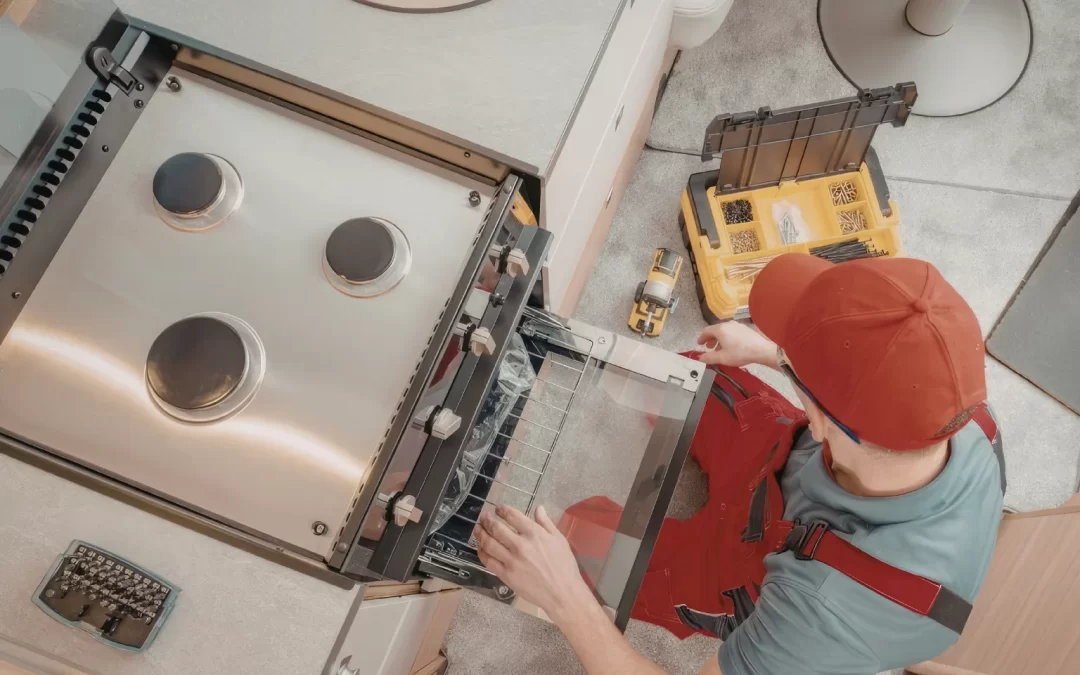
Gas Stove Repair Service Near You: Fast Local Technicians, Common Issues, and Repair Costs Explained
When a gas stove stops igniting, produces uneven flames, or begins releasing gas odors, it quickly shifts from a routine inconvenience to a potential safety concern. In these situations, many homeowners search for gas stove repair service near you to locate qualified technicians who can diagnose and resolve the issue quickly and correctly.
Gas stove repair service refers to professional appliance repair that addresses ignition failures, irregular flame behavior, gas flow interruptions, burner malfunctions, and control system issues in residential gas cooking appliances, with a focus on restoring safe and consistent operation. Because gas systems combine fuel flow, ignition components, and ventilation dynamics, even small faults can escalate if left unaddressed.
Table of Contents
- Common Gas Stove Problems
- Warning Signs Your Gas Stove Needs Repair
- How Gas Stove Repair Service Works
- Typical Gas Stove Repair Costs
- When Gas Stove Repairs Become Urgent
- How to Choose a Local Gas Stove Technician
- Common Mistakes Homeowners Make Before Repair
- FAQ
- Key Takeaways
Common Gas Stove Problems
Most gas stove issues develop gradually through wear, residue buildup, or ignition system degradation. What begins as a minor performance change often reflects a developing mechanical or gas flow imbalance.
Common issues include:
- Delayed ignition or burners failing to light
- Weak, uneven, or fluctuating flame patterns
- Intermittent or persistent gas odor near burners
- Continuous clicking without ignition response
- One or more burners not functioning
- Oven temperature inconsistencies in gas ranges
In most cases, technicians prioritize diagnosing ignition and burner airflow systems first, since these account for a large percentage of non-lighting or inconsistent flame issues before any gas valve or regulator replacement is considered.
Warning Signs Your Gas Stove Needs Repair
Gas stove failures are often preceded by subtle but measurable changes in ignition behavior or flame quality. These early indicators are important because they often signal developing system inefficiencies rather than sudden failure.
Warning signs include:
- Repeated delayed ignition after turning the knob
- Flames shifting from steady blue to yellow or uneven patterns
- Noticeable gas smell during or immediately after use
- Burners that ignite partially or inconsistently
- Ignition clicking that continues after flame is established
Technicians commonly note that intermittent ignition issues are among the earliest indicators of burner or electrode degradation, often appearing long before complete failure occurs.
How Gas Stove Repair Service Works
Professional gas stove repair typically begins with a structured diagnostic sequence designed to isolate whether the issue is mechanical, ignition-related, or gas flow-related.
A standard repair process includes:
- Safety inspection and verification of gas flow integrity
- Ignition system testing (electrodes, spark modules, wiring)
- Burner cleaning and airflow obstruction checks
- Gas valve and regulator evaluation when necessary
- Component-level diagnosis and failure identification
- On-site repair or scheduled part replacement
In many cases, issues that appear severe—such as complete ignition failure—are traced back to localized problems like clogged burner ports or weakened ignition electrodes rather than system-wide gas failure.
Typical Gas Stove Repair Costs
Repair pricing depends on diagnostic complexity, part availability, and whether the issue involves surface-level components or gas control systems.
Main cost factors include:
- Diagnostic and service call fees
- Ignition system repair or replacement
- Burner cleaning or replacement components
- Gas valve or regulator repairs
- Labor intensity and repair duration
A key distinction in appliance repair economics is that ignition and burner-related issues typically fall into lower-cost repair categories, while gas valve and regulator failures represent higher-cost system interventions.
In practice, technicians often assess whether repair remains cost-effective compared to replacement when multiple system components show simultaneous wear.
When Gas Stove Repairs Become Urgent
Some gas stove issues require immediate attention due to their direct safety implications and potential for escalating hazards.
Urgent situations include:
- Persistent or strong gas odor near the appliance
- Visible or suspected gas leakage at connections or burners
- Unstable flames that flare or extinguish unexpectedly
- Failure of burners to shut off properly
In field diagnostics, prolonged operation under gas odor conditions is one of the most common precursors to more serious safety-related service calls, making early shutdown and inspection essential.
How to Choose a Local Gas Stove Technician
Because gas systems require both mechanical expertise and safety compliance, technician qualification plays a critical role in repair accuracy and long-term reliability.
When selecting a service provider, consider:
- Experience with gas appliance systems specifically
- Proper licensing or certification for gas-related work where applicable
- Transparent diagnostic and pricing structure
- Familiarity with your stove brand and model type
- Warranty coverage on parts and labor
While response time is important, accurate diagnosis typically has a greater impact on overall repair outcome than immediate availability alone.
Common Mistakes Homeowners Make Before Repair
Before professional service, certain actions can unintentionally worsen the issue or increase safety risk.
Common mistakes include:
- Repeated ignition attempts on a malfunctioning burner
- Continuing to use burners with inconsistent flame behavior
- Ignoring faint or intermittent gas odors
- Attempting internal repairs without proper tools or training
One of the most frequent escalation patterns observed by technicians is delayed service after intermittent ignition issues begin, which often leads to broader burner or ignition system failure over time.
FAQ
Why is my gas stove clicking but not lighting?
This is commonly caused by moisture, clogged burner ports, or a weakened ignition electrode that cannot consistently spark.
Is it safe to use a gas stove that smells like gas?
No. A gas odor indicates a potential leak or incomplete combustion and should be treated as an urgent safety concern requiring inspection.
Why is my gas stove flame yellow instead of blue?
Yellow or uneven flames often indicate incomplete combustion due to restricted airflow or dirty burners.
How much does gas stove repair typically cost?
Costs vary depending on whether the issue involves basic ignition components or more complex gas valve or regulator systems.
Can a clogged burner cause ignition failure?
Yes. Blocked burner ports are one of the most common causes of delayed or failed ignition.
Key Takeaways
Gas stove issues typically begin with small ignition or flame irregularities that gradually worsen if left unaddressed. While many problems are caused by simple blockages or worn ignition components, gas system faults should always be treated with caution due to their safety implications.
Choosing an experienced technician, responding early to warning signs, and avoiding unsafe DIY interventions can significantly reduce risk while restoring reliable stove performance efficiently.