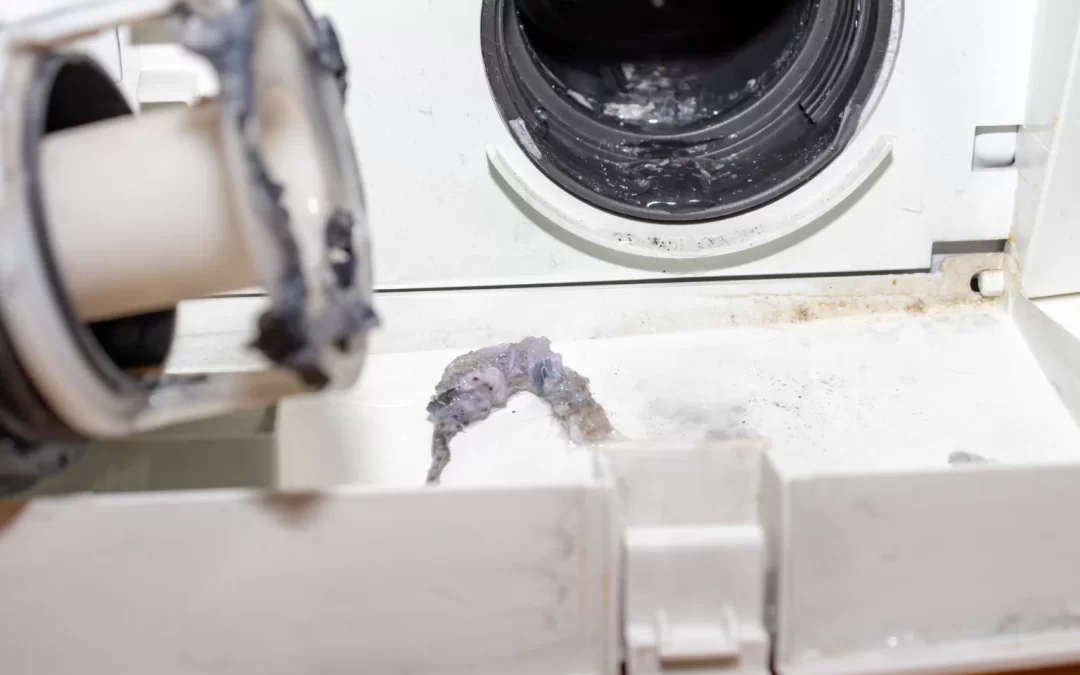
A Samsung dryer not heating is one of the most common laundry appliance issues, and it can disrupt an entire household routine quickly. In most cases, the dryer will still appear to function normally—the drum spins, the timer counts down, and the control panel responds—but the clothes remain damp at the end of the cycle. This creates the impression of a major failure, but the underlying issue is often isolated to a specific heating, airflow, or safety component rather than the entire appliance.
A Samsung dryer not heating typically indicates a breakdown in the heating system, restricted airflow, or a safety component that has shut off heat production to prevent overheating. Some causes are simple and maintenance-related, while others involve internal electrical parts that require professional diagnosis. Understanding the difference helps avoid unnecessary repairs and identifies when a deeper issue is present.
Table of Contents
- How to Confirm Your Samsung Dryer Is Not Heating
- Troubleshooting Steps to Try First
- Most Common Causes of a Samsung Dryer Not Heating
- Why Airflow Issues Are Often the Real Problem
- How the Dryer Heating System Works
- When It’s a Simple Fix vs a Component Failure
- Repair vs Replacement Decision Guide
- How to Prevent Future Heating Problems
- FAQ
- Summary and Next Steps
How to Confirm Your Samsung Dryer Is Not Heating
Before assuming a failure, it’s important to confirm the exact behavior of the dryer. Many heating issues are mistaken for timing or load-related problems.
Common signs include:
- Clothes remain damp after a full cycle
- Dryer runs normally but produces no heat
- Drying times become unusually long
- Clothes feel slightly warm but never fully dry
- Unit completes cycles without improving moisture levels
When these symptoms occur consistently, the issue is almost always related to heating or airflow rather than user settings.
Troubleshooting Steps to Try First
There are a few simple checks that can resolve the issue without repair, especially if airflow or settings are involved.
- Confirm the dryer is set to a heat-based cycle
- Check that the lint filter is clean and properly inserted
- Inspect the vent hose for kinks or blockages
- Make sure the exterior vent is not obstructed
- Verify the load is not too large or tightly packed
If the dryer still runs without heat after these steps, the issue is likely internal.
Most Common Causes of a Samsung Dryer Not Heating
Samsung dryers rely on a combination of heating components, sensors, and airflow systems. When any part of this system fails, heat production can stop completely.
- Blown thermal fuse: A safety device that shuts off heating when overheating is detected
- Faulty heating element: The primary component responsible for generating heat
- Defective thermostat or temperature sensor: Prevents proper heat regulation
- Clogged ventilation system: Restricts airflow and triggers safety shutdowns
- Control board malfunction: Interrupts power delivery to heating components
Among these, airflow restriction is one of the most frequent and overlooked causes.
Why Airflow Issues Are Often the Real Problem
Even when heating components are working properly, restricted airflow can prevent clothes from drying effectively. Samsung dryers are particularly sensitive to ventilation issues.
When airflow is restricted:
- Heat becomes trapped inside the drum instead of circulating
- Safety systems may shut off heating to prevent overheating
- Drying times increase significantly
- Clothes remain damp even after long cycles
In many cases, cleaning the lint filter and vent system restores normal heating without any part replacement.
How the Dryer Heating System Works
A Samsung dryer generates heat using an electrical heating element controlled by thermostats and sensors. The system depends on proper airflow to distribute heat evenly and safely.
If any part of this system fails—whether mechanical, electrical, or airflow-related—the dryer may continue running but will not produce effective heat. This is why symptoms can be misleading: the appliance appears functional even though one critical system has stopped working.
When It’s a Simple Fix vs a Component Failure
Not all heating issues require repair or part replacement. Some are maintenance-related and easy to resolve, while others require professional diagnosis.
Likely simple fixes:
- Clogged lint filter or vent system
- Temporary airflow restriction
- Incorrect cycle selection
Likely component failures:
- Blown thermal fuse
- Failed heating element
- Defective thermostat or sensor
- Control board issues
If cleaning airflow systems does not restore heat, the issue is likely internal.
Repair vs Replacement Decision Guide
The decision to repair or replace depends on the age of the dryer, the severity of the failure, and the cost of repair relative to replacement.
Repair is typically reasonable when:
- The issue is airflow-related or a single inexpensive part
- The dryer is less than 7–10 years old
- The unit has no recurring issues
Replacement is often more practical when:
- The heating element and additional components have failed
- The control board requires replacement
- The dryer is nearing end-of-life or has repeated heating issues
In many cases, multiple heating failures indicate broader system wear rather than a single isolated problem.
How to Prevent Future Heating Problems
Most dryer heating issues can be reduced significantly with proper maintenance and airflow management.
- Clean lint filter after every cycle
- Inspect and clean vent system regularly
- Avoid overloading the dryer
- Ensure proper clearance behind the unit for airflow
- Schedule periodic vent cleaning for heavy usage households
Good airflow maintenance is the most effective way to prevent heating-related failures in Samsung dryers.
FAQ
Why is my Samsung dryer running but not heating?
This is usually caused by a blown thermal fuse, failed heating element, or restricted airflow preventing proper heat circulation.
Can I fix a Samsung dryer not heating myself?
Basic maintenance such as cleaning vents and lint filters is safe, but internal electrical repairs should be handled by a qualified technician.
Is it safe to use a dryer that is not heating properly?
It is generally safe but ineffective, and continued use may indicate an underlying issue that could worsen over time.
What is the most common cause of no heat in Samsung dryers?
A clogged vent system or blown thermal fuse are among the most common causes.
How long should a Samsung dryer last?
Most dryers last between 8–12 years depending on usage and maintenance habits.
Summary and Next Steps
A Samsung dryer not heating is typically caused by airflow restrictions, a failed heating element, or a safety component that has shut off heat production. While some issues can be resolved with basic maintenance, others require internal diagnosis and part replacement.
The most effective next step is to check airflow systems first, then evaluate whether the issue persists. If the problem continues after cleaning and basic troubleshooting, professional diagnosis can determine whether repair or replacement is the most cost-effective solution.
Understanding these symptoms early helps prevent unnecessary repairs and ensures the dryer is restored efficiently and safely.