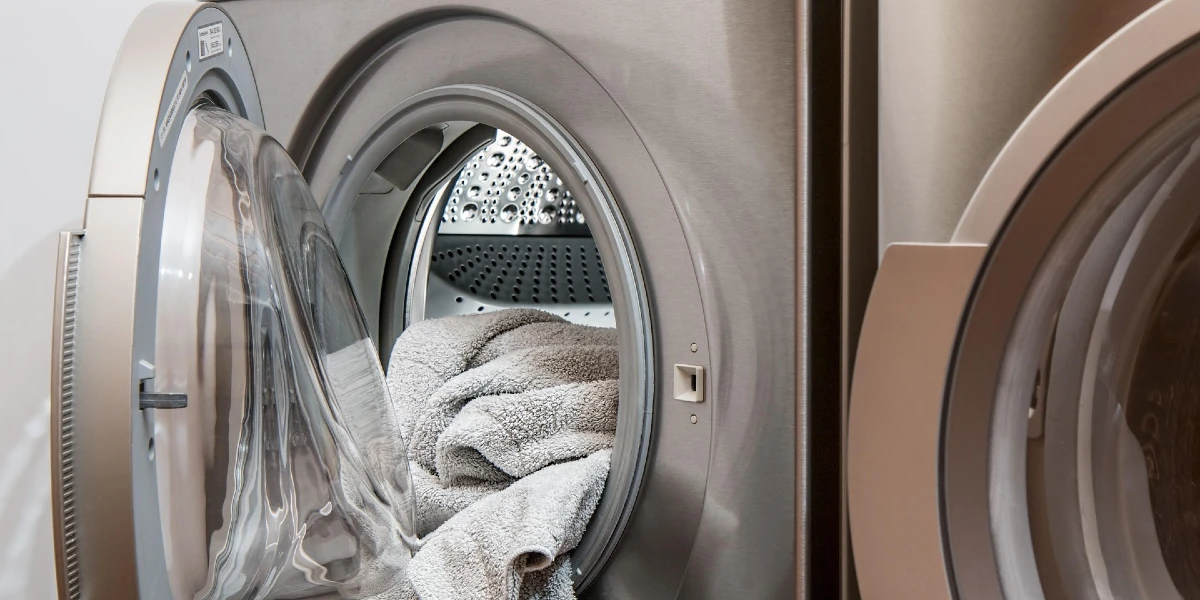
Appliance repair costs refer to the total expense of diagnosing and fixing household appliances, including service fees, labor, and parts. For homeowners, understanding these costs helps avoid overpaying and makes it easier to decide whether to repair or replace an appliance. While many repairs are affordable, a key limitation is that costs can vary widely depending on the appliance, issue, and technician.
Table of Contents
- Quick Summary
- What This Is & Why It Matters
- How It Works
- Typical Costs & Expectations
- Common Problems
- DIY vs Professional Repair
- Repair vs Replace
- Safety Considerations
- Pros and Cons
- Common Mistakes
- Who This Works Best For
- Who Should Avoid This
- FAQ
Quick Summary
- Appliance repair costs typically range from $75 to $800+
- Service calls alone often cost $75–$150
- Minor issues are often affordable to fix
- Major repairs may approach replacement cost
- The biggest mistake is repairing appliances that should be replaced
- Best for homeowners deciding between repair and replacement
What This Is & Why It Matters
Appliance repair costs include all expenses associated with diagnosing and fixing common household appliances such as refrigerators, washers, dryers, ovens, and dishwashers.
This matters because repair pricing is not always straightforward. Homeowners may pay a service fee, labor charges, and parts costs, all of which can vary significantly.
Understanding how these costs work helps prevent overspending and allows you to make better decisions about whether a repair is worth it.
For a detailed breakdown, see the 2026 appliance repair cost guide.
How It Works
Appliance repair costs usually start with a service call, where a technician inspects the appliance and diagnoses the issue.
This visit may include testing components, identifying faulty parts, and estimating repair costs. Learn more about typical service call fees.
Once diagnosed, the technician provides a quote for repair. If parts are required, they may need to be ordered, which can increase both cost and repair time.
In many cases, the service fee is applied toward the repair if you proceed.
Typical Costs & Expectations
Appliance repair costs vary depending on the type of appliance and the severity of the issue.
- Service call: $75–$150
- Minor repair: $75–$200
- Moderate repair: $150–$400
- Major repair: $400–$800+
Some appliances have specific cost patterns. For example, see a refrigerator repair cost breakdown or compare washer vs dryer repair costs.
Ovens and ranges may also vary based on fuel type. Learn more about gas vs electric oven repair costs.
Costs are influenced by:
- Type of appliance
- Brand and parts availability
- Labor rates in your area
- Complexity of the repair
Common Problems
Unexpected High Repair Costs
Many homeowners are surprised when repair costs approach the price of a new appliance. This often happens with major component failures such as compressors or control boards.
Multiple Service Visits
If parts need to be ordered, repairs may require multiple visits, increasing total cost.
Misjudging Repair Value
Choosing to repair an appliance that should be replaced is a common mistake. For example, dishwasher repair vs replacement decisions can vary based on cost and age.
DIY vs Professional Repair
Some minor repairs can be handled without professional help, but most repairs require a technician.
DIY may be appropriate for:
- Cleaning filters or vents
- Resetting appliances
- Basic maintenance
Professional repair is needed for:
- Electrical systems
- Gas appliances
- Internal components
Attempting complex repairs can lead to safety risks or additional damage.
Repair vs Replace
One of the most important decisions is whether to repair or replace the appliance.
The 50% rule is commonly used: if repair costs exceed 50% of the cost of a new appliance, replacement is often the better option.
Learn more in the 50% repair rule explained.
Other factors include:
- Age of the appliance
- Frequency of breakdowns
- Energy efficiency improvements
Safety Considerations
Repairing appliances involves potential safety risks that should not be ignored.
- Electrical shock hazards
- Gas leaks
- Fire risks from faulty components
- Water damage from leaks
Professional technicians are trained to handle these risks safely.
Pros and Cons
Pros:
- Lower cost than replacement (in many cases)
- Extends appliance lifespan
- Convenient for minor issues
Cons:
- Costs can add up over time
- Not all repairs are cost-effective
- Risk of repeat issues
Common Mistakes
- Repairing appliances that should be replaced
- Ignoring early warning signs
- Choosing the cheapest repair without considering quality
- Delaying repairs, increasing total cost
Who This Works Best For
This information is best for homeowners who want to understand repair costs and make informed decisions before hiring a technician.
Who Should Avoid This
Homeowners who prefer replacing appliances immediately may not need detailed cost analysis, but should still consider repair options for minor issues.
Frequently Asked Questions
How much does appliance repair usually cost?
Most repairs range from $75 to $800+, depending on the issue and appliance.
What is a typical service call fee?
Service calls usually cost between $75 and $150.
Is it cheaper to repair or replace?
It depends on the cost relative to the appliance value. The 50% rule is commonly used.
Why are repair costs so high?
Costs include labor, parts, and diagnostic time, which can vary by location and appliance type.
Can I reduce repair costs?
Early troubleshooting and maintenance can help prevent more expensive repairs.
Final Thoughts
Appliance repair costs can vary widely, but understanding how pricing works helps homeowners make smarter decisions. While many repairs are affordable, others may not be worth the investment. Taking a practical approach—considering cost, safety, and long-term value—can help you avoid unnecessary expenses and choose the right path forward.