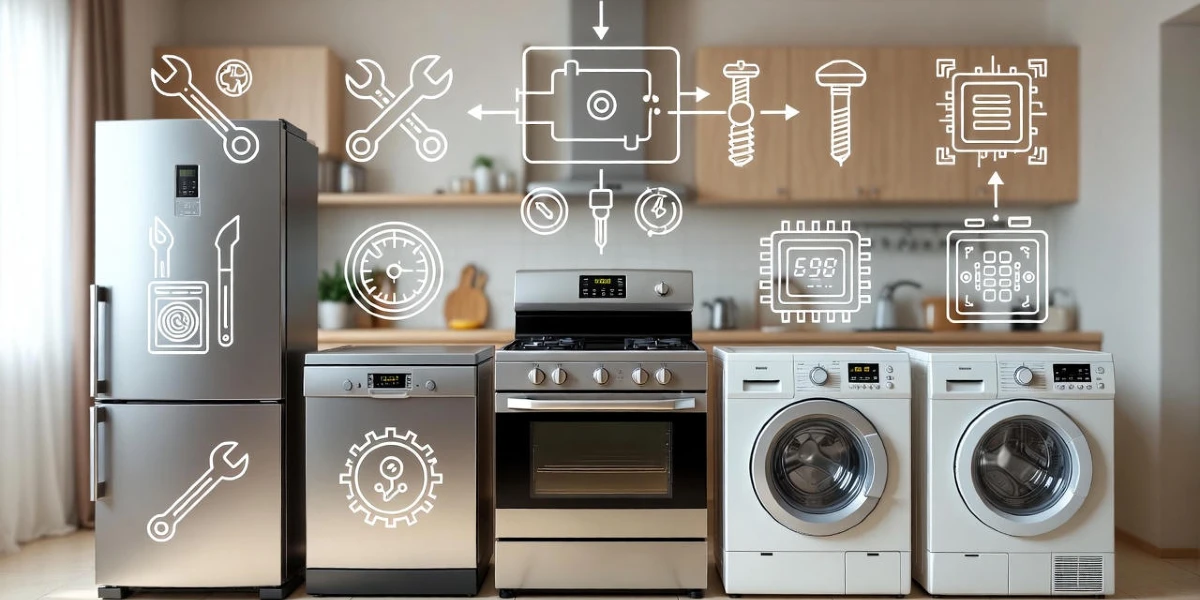
Welcome to the 2026 Appliance Repair Cost Guide. Whether you’re a homeowner, renter, or simply someone looking for help with appliance issues, understanding repair costs can be overwhelming. This guide aims to break down the costs associated with common appliance repairs, helping you make informed decisions about when to tackle a repair yourself or when to call in a professional.
Table of Contents
- Common Appliances and Their Repair Costs
- Symptoms and Causes of Appliance Issues
- DIY Checks Before Calling a Professional
- Repair Options and Cost Factors
- Lifespan Considerations for Appliances
- Practical Consumer Tips
- Common Mistakes to Avoid
- Safety Notes and When to Call a Professional
- Summary
- Frequently Asked Questions
Common Appliances and Their Repair Costs
Understanding the typical repair costs for common household appliances can help you budget effectively. Here are some average repair costs for popular appliances:
- Refrigerator: $200 – $400 for compressor issues.
- Washing Machine: $150 – $300 for drum or motor problems.
- Dryer: $100 – $250 for heating element failures.
- Dishwasher: $150 – $300 for pump or motor issues.
- Oven: $100 – $300 for heating element or thermostat replacements.
Symptoms and Causes of Appliance Issues
Recognizing the symptoms of appliance problems is the first step toward a solution. Here are some common symptoms and their potential causes:
- Refrigerator not cooling: Possible compressor failure or blocked vents.
- Washing machine not spinning: Clogged drain or faulty motor.
- Dryer not heating: Broken heating element or thermostat issues.
- Dishwasher not draining: Clogged filter or faulty pump.
- Oven not heating: Defective heating element or thermostat malfunction.
DIY Checks Before Calling a Professional
Before you decide to call a technician, there are some basic checks you can perform:
- Check the power source: Ensure the appliance is plugged in and the outlet is functioning.
- Inspect for blockages: Look for clogs in hoses or filters, especially in dishwashers and washing machines.
- Examine settings: Make sure the appliance settings are correct and that any timers are set properly.
- Listen for unusual noises: Strange sounds can indicate specific problems, such as a failing motor.
Repair Options and Cost Factors
When it comes to repairing an appliance, you have several options:
- DIY Repairs: If you have some handy skills, you can save money by fixing minor issues yourself. However, ensure you have the right tools and parts.
- Hiring a Professional: For more complex issues, hiring a qualified technician is often the best choice. They can diagnose the problem accurately and ensure safe repairs.
Factors that influence repair costs include:
- The type of appliance and its brand.
- The complexity of the repair.
- The cost of replacement parts.
- Labor costs in your area.
Lifespan Considerations for Appliances
Understanding the average lifespan of your appliances can help you decide whether to repair or replace. Here are some general lifespans:
- Refrigerator: 10-20 years
- Washing Machine: 10-15 years
- Dryer: 10-15 years
- Dishwasher: 10-15 years
- Oven: 10-15 years
If your appliance is nearing the end of its lifespan and requires costly repairs, it may be time to consider a replacement.
Practical Consumer Tips
Here are some practical tips to keep your appliances running smoothly:
- Regularly clean filters and vents to prevent clogs.
- Keep appliances level to avoid operational issues.
- Follow the manufacturer’s maintenance guidelines.
- Use appliances as intended to avoid unnecessary wear and tear.
Common Mistakes to Avoid
When dealing with appliance repairs, avoid these common mistakes:
- Ignoring warning signs, such as strange noises or smells.
- Attempting complex repairs without proper knowledge.
- Neglecting regular maintenance, which can lead to bigger problems.
Safety Notes and When to Call a Professional
Safety should always be your top priority. Here are some safety tips:
- Always unplug appliances before attempting any repairs.
- If you smell gas or suspect a gas leak, leave the area immediately and call a professional.
- For electrical issues, consult a licensed electrician.
When in doubt, it’s best to call a professional, especially for complex repairs or if you’re uncomfortable with DIY tasks.
Summary
Understanding appliance repair costs and knowing when to call a professional can save you time and money. By following the steps outlined in this guide, you can confidently address common appliance issues or seek help when necessary. Remember, regular maintenance is key to prolonging the life of your appliances.
Frequently Asked Questions
- How do I know if my appliance is worth repairing? Consider the age of the appliance and the cost of repairs compared to replacement.
- What should I do if my appliance is under warranty? Contact the manufacturer or retailer for repair options covered under warranty.
- Can I perform repairs on my own? Yes, for simple issues, but always prioritize safety and consult a professional for complex problems.
- How can I find a reliable repair technician? Look for reviews online, ask for recommendations from friends, and check for licensing.
- What are common signs that my appliance needs repair? Look for unusual noises, leaks, or failure to operate as expected.
Feel confident in your ability to resolve appliance issues or to know when to reach out for professional help. With the right information and guidance, you can keep your home running smoothly.