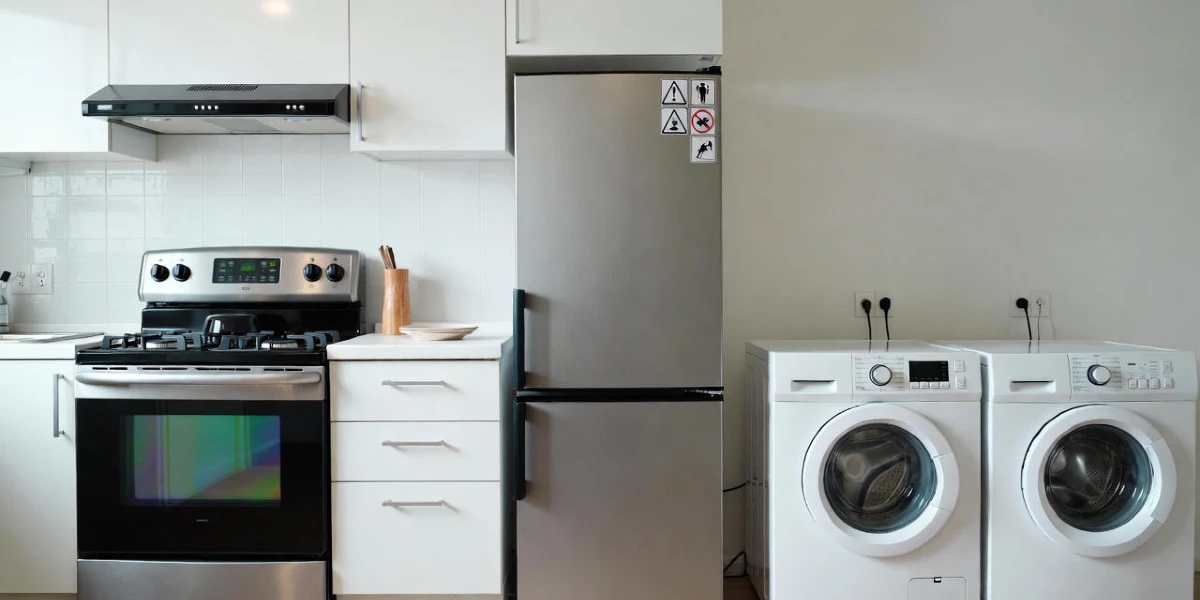
As a homeowner or renter, dealing with malfunctioning appliances can be frustrating. You may wonder whether to repair or replace your appliance. Sometimes, upgrading can save you more money in the long run than simply repairing an old unit. In this article, well explore when upgrading is the better option, how to assess your appliances condition, and what to consider when making your decision.
Table of Contents
- Symptoms of Appliance Failure
- Common Causes of Appliance Issues
- DIY Checks and Troubleshooting
- Repair Options and Cost Factors
- Lifespan Considerations
- Practical Consumer Tips
- Common Mistakes to Avoid
- Safety Notes and When to Call a Professional
- Summary
- Frequently Asked Questions
Symptoms of Appliance Failure
Before deciding whether to repair or replace, its essential to identify the symptoms of appliance failure. Common signs include:
- Unusual noises such as grinding or rattling.
- Inconsistent performance, like a refrigerator that doesnt keep food cold.
- Frequent breakdowns or repairs.
- Increased energy bills without a clear reason.
Common Causes of Appliance Issues
Appliance failures can stem from various causes:
- Wear and Tear: Over time, parts can wear out, especially in older appliances.
- Electrical Issues: Faulty wiring or blown fuses can disrupt function.
- Lack of Maintenance: Neglecting regular cleaning and servicing can lead to problems.
DIY Checks and Troubleshooting
Before calling a professional, try these simple checks:
- Check Power Supply: Ensure the appliance is plugged in and the outlet works. Test with another device if necessary.
- Inspect for Blockages: For appliances like dishwashers and dryers, check for clogs in hoses and vents.
- Clean Filters: Many appliances have filters that need regular cleaning to function correctly.
Repair Options and Cost Factors
When considering repairs, think about the following:
- Repair Costs: Get estimates from professionals. If repairs exceed 50% of a new units cost, consider upgrading.
- Parts Availability: Older appliances may have hard-to-find parts, making repairs more expensive.
- Warranty Coverage: Check if your appliance is still under warranty, which can reduce repair costs.
Lifespan Considerations
Understanding the average lifespan of your appliances can help you make informed decisions:
- Refrigerators: 10-15 years
- Washing Machines: 10-15 years
- Dishwashers: 9-12 years
- Dryers: 10-15 years
If your appliance is nearing the end of its lifespan and requires repairs, upgrading may be the better option.
Practical Consumer Tips
Here are some tips to help you decide:
- Energy Efficiency: Newer models often use less energy, which can save you money on utility bills.
- Features: Consider if newer features could improve your daily life, like smart technology or improved performance.
- Rebates: Look for local rebates or tax incentives for upgrading to energy-efficient appliances.
Common Mistakes to Avoid
When deciding between repair and replacement, avoid these pitfalls:
- Ignoring energy costs: An appliance that is costly to run may not be worth repairing.
- Underestimating repair costs: Always get multiple quotes before making a decision.
- Overlooking warranties: Check if your appliance is still under warranty before paying for repairs.
Safety Notes and When to Call a Professional
Safety should always come first. If you notice:
- Burning smells or sparks from the appliance.
- Water leaks that could cause electrical hazards.
- Persistent issues despite your troubleshooting efforts.
In these cases, its best to call a professional technician to avoid potential hazards.
Summary
Deciding whether to repair or upgrade an appliance can be challenging. By assessing symptoms, understanding repair costs, and considering the lifespan of your appliance, you can make a more informed decision. Sometimes, upgrading to a new, energy-efficient model can save you more money in the long run than repairing an old one.
Frequently Asked Questions
- How do I know if my appliance is worth repairing? If repair costs exceed half the cost of a new appliance, consider upgrading.
- What are the signs that my appliance needs to be replaced? Frequent breakdowns, high energy bills, and age are key indicators.
- Can I fix my appliance myself? Simple issues like cleaning filters or checking power can often be done at home, but consult a professional for complex problems.
- Are new appliances really more energy-efficient? Yes, newer models typically use less energy, leading to lower utility bills.
- What should I do if I smell gas from my appliance? Turn off the appliance immediately and call a professional or your gas company.
By following these guidelines, you can feel confident in resolving your appliance issues or knowing when to contact a professional repair service. Remember, sometimes upgrading is the smartest choice for your home and budget.