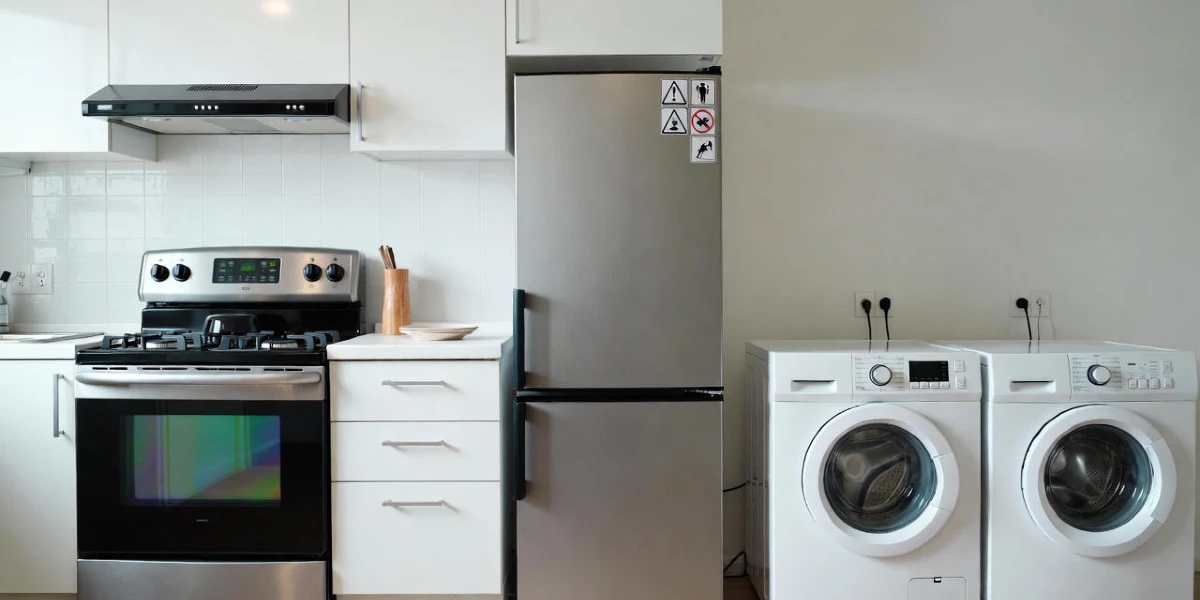
Smart appliances have revolutionized the way we interact with our homes. From refrigerators that can track your grocery inventory to washing machines that you can control from your smartphone, these devices offer convenience and efficiency. However, when they malfunction, many homeowners wonder which smart appliances are actually repairable. In this article, we will explore the common issues, repair options, and maintenance tips for smart appliances, helping you make informed decisions about repairs.
Table of Contents
- Common Issues with Smart Appliances
- Diagnosing Problems
- Repair Options
- Cost Factors
- Lifespan Considerations
- Practical Consumer Tips
- Common Mistakes to Avoid
- Safety Notes
- Summary
- Frequently Asked Questions
Common Issues with Smart Appliances
Smart appliances can experience a variety of issues, often similar to traditional appliances but with added technology complications. Here are some common problems:
- Connectivity Issues: Many smart appliances rely on Wi-Fi. If your internet is down, so is your appliance’s smart functionality.
- Software Glitches: Like any smart device, appliances can have software bugs that affect performance.
- Hardware Failures: Components like motors, sensors, or valves can fail, leading to malfunctions.
Diagnosing Problems
Identifying the issue is the first step toward a repair. Heres how to diagnose problems with your smart appliances:
- Check the Power: Ensure the appliance is plugged in and that the outlet is working. You can test the outlet with another device.
- Inspect the Wi-Fi Connection: Make sure your appliance is connected to your home network. Refer to the user manual for instructions on reconnecting.
- Look for Error Codes: Many smart appliances display error codes. Check the user manual or the manufacturer’s website for troubleshooting based on the code.
Repair Options
When it comes to repairs, consider the following options:
- DIY Repairs: For minor issues, you may be able to fix the appliance yourself. This could include resetting the appliance or replacing a simple part like a filter.
- Professional Repair Services: For complex issues, especially those involving electronics or software, its best to call a professional.
- Manufacturer Support: Many manufacturers offer support services. They may provide troubleshooting help or recommend authorized repair technicians.
Cost Factors
Understanding the costs associated with repairs can help you budget effectively:
- Parts Costs: Replacing parts can range from inexpensive to costly, depending on the appliance and the part needed.
- Labor Costs: Professional repair services typically charge for labor, which can vary by region and technician experience.
- Warranty Considerations: If your appliance is still under warranty, repairs may be covered, reducing your out-of-pocket expenses.
Lifespan Considerations
Smart appliances generally have similar lifespans to their traditional counterparts, but technology can influence longevity:
- Average Lifespan: Most appliances last about 10-15 years, but smart features may become outdated sooner.
- Upgrades: Sometimes, it may be more cost-effective to upgrade to a new model rather than repair an old one, especially if the technology is outdated.
Practical Consumer Tips
Here are some practical tips for maintaining your smart appliances:
- Regular Updates: Keep your appliance’s software up to date to avoid bugs and improve performance.
- Routine Maintenance: Clean filters and check seals regularly to ensure optimal operation.
- Read the Manual: Familiarize yourself with the user manual for troubleshooting and maintenance tips specific to your appliance.
Common Mistakes to Avoid
When dealing with smart appliances, avoid these common pitfalls:
- Ignoring Error Codes: Always address error codes promptly to prevent further damage.
- Neglecting Maintenance: Regular maintenance can extend the life of your appliance.
- DIY Repairs Beyond Your Skill Level: If youre unsure, its safer to call a professional.
Safety Notes
Safety should always be a priority:
- Unplug Before Repairs: Always disconnect the appliance from power before attempting any repairs.
- Know When to Call a Professional: If you encounter complex issues, such as internal wiring problems, its best to seek expert help.
Summary
Smart appliances offer convenience but can also present unique challenges when they malfunction. By understanding common issues, diagnosing problems, and knowing when to call a professional, you can navigate repairs with confidence. Regular maintenance and being aware of your appliance’s needs can prolong its life and functionality.
Frequently Asked Questions
- Are smart appliances more difficult to repair than traditional ones? Not necessarily, but they may require specialized knowledge due to their technology.
- How can I troubleshoot my smart refrigerator? Check the power, ensure it’s connected to Wi-Fi, and look for error codes in the manual.
- What should I do if my smart washing machine wont connect to Wi-Fi? Restart the machine and your router, then try reconnecting according to the manual.
- Is it worth repairing a smart appliance? If the repair cost is less than half the price of a new appliance, it may be worth it.
- How often should I perform maintenance on my smart appliances? Regular maintenance should be done at least once a year, or more frequently depending on usage.
With the right knowledge and resources, you can feel confident in addressing issues with your smart appliances. Whether you choose to tackle repairs yourself or call a professional, understanding your appliance’s needs will help you maintain a functional and efficient home.