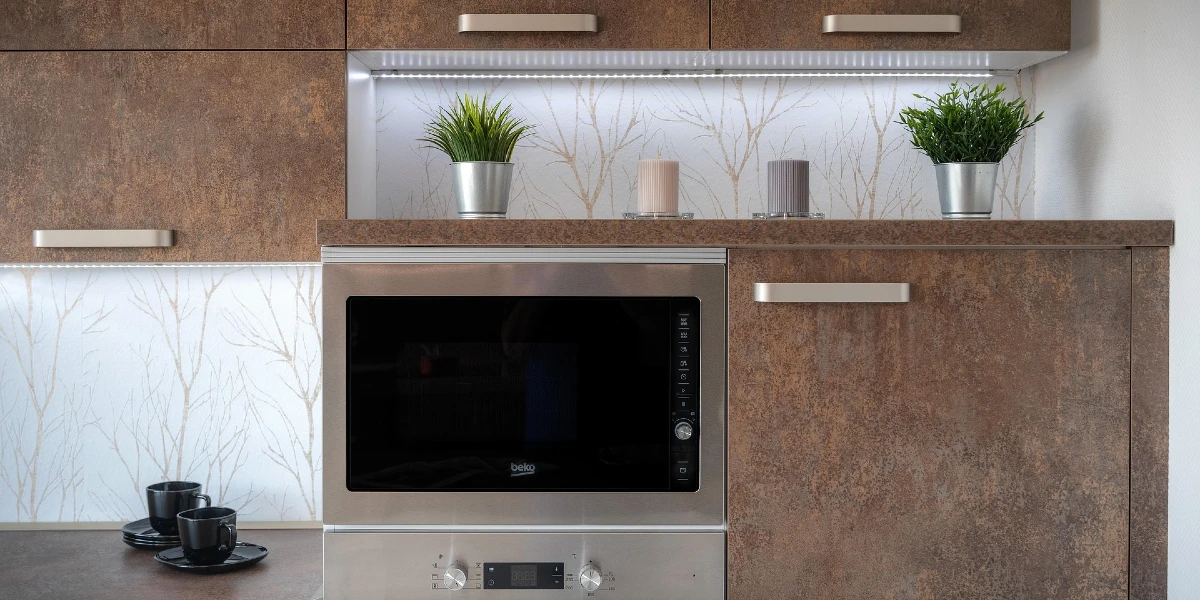
Microwaves are a common appliance in most homes, providing quick and convenient cooking options. However, many myths surrounding microwave radiation can cause unnecessary fear and confusion. In this article, we will debunk these myths, clarify how microwaves work, and provide practical tips for safe usage and maintenance.
Table of Contents
- Understanding Microwave Radiation
- Common Microwave Myths
- Practical Consumer Tips
- Common Mistakes to Avoid
- Safety Notes
- Summary
- Frequently Asked Questions
Understanding Microwave Radiation
Microwave ovens use electromagnetic radiation to heat food. This radiation is non-ionizing, meaning it does not have enough energy to remove tightly bound electrons or damage DNA. Instead, microwaves excite water molecules in food, generating heat that cooks the food evenly.
Common Microwave Myths
Lets explore some common myths about microwave radiation:
Myth 1: Microwaves Cause Cancer
This is one of the most prevalent myths. Research shows that the type of radiation used in microwaves is non-ionizing and does not cause cancer. The World Health Organization (WHO) confirms that microwave ovens are safe when used according to the manufacturers instructions.
Myth 2: Microwaves Make Food Radioactive
Many believe that cooking food in a microwave makes it radioactive. This is false. Microwaves do not change the molecular structure of food in a way that would make it radioactive. Once the microwave is turned off, the radiation stops immediately.
Myth 3: Microwaves Destroy Nutrients
Some think microwaving food destroys its nutrients. In reality, microwaving can preserve nutrients better than some other cooking methods, such as boiling, which can leach vitamins into the water. Cooking times are shorter in microwaves, which can help maintain the nutritional value of food.
Myth 4: Its Dangerous to Stand Near a Microwave
Concerns about standing near a microwave are unfounded. Microwaves are designed with safety features to prevent radiation leakage. As long as the microwave is in good working condition, it is safe to be near while it operates.
Practical Consumer Tips
To ensure safe and effective use of your microwave, consider the following tips:
- Check for Damage: Regularly inspect your microwave for any signs of damage, such as cracks in the door or faulty seals. If you notice any issues, stop using the microwave and consult a professional.
- Use Microwave-Safe Containers: Always use containers labeled as microwave-safe. Avoid metal containers, as they can cause sparks and fires.
- Cover Food: Use a microwave-safe cover to prevent splatters and promote even cooking. This also helps retain moisture in the food.
- Follow Cooking Instructions: Adhere to the recommended cooking times and power settings for different foods to ensure even cooking.
Common Mistakes to Avoid
Here are some common mistakes people make when using microwaves:
- Ignoring the Manual: Always read and follow the user manual for your specific microwave model. Each microwave may have unique features and settings.
- Overcrowding the Microwave: Avoid placing too much food in the microwave at once. This can lead to uneven cooking and may cause the appliance to overheat.
- Not Cleaning Regularly: Failing to clean your microwave can lead to unpleasant odors and potential health risks. Wipe down the interior regularly with a damp cloth.
Safety Notes
While microwaves are generally safe, there are times when you should call a professional:
- If your microwave shows signs of malfunction, such as unusual noises, sparks, or failure to heat.
- If the door does not close properly or if the seals are damaged.
- If you suspect a radiation leak, which is rare but can happen with damaged units.
Summary
Understanding microwave radiation and debunking common myths can help you use your microwave safely and effectively. Always follow safety guidelines, use the right containers, and maintain your appliance properly. If you experience any issues, dont hesitate to consult a professional for repairs.
Frequently Asked Questions
- Are microwaves safe for my health? Yes, microwaves are safe when used correctly and in good condition.
- Can I use aluminum foil in the microwave? No, aluminum foil can cause sparks and should not be used in microwaves.
- How often should I clean my microwave? Its best to clean your microwave weekly to prevent odors and buildup.
- What should I do if my microwave stops working? First, check the power source. If its plugged in and still not working, consult a professional.
- Can I microwave eggs in their shells? No, microwaving whole eggs can cause them to explode. Always crack them open first.
By understanding the facts about microwave radiation and following these tips, you can feel confident in using your microwave safely. If you encounter any issues, reach out to a professional repair service for assistance.