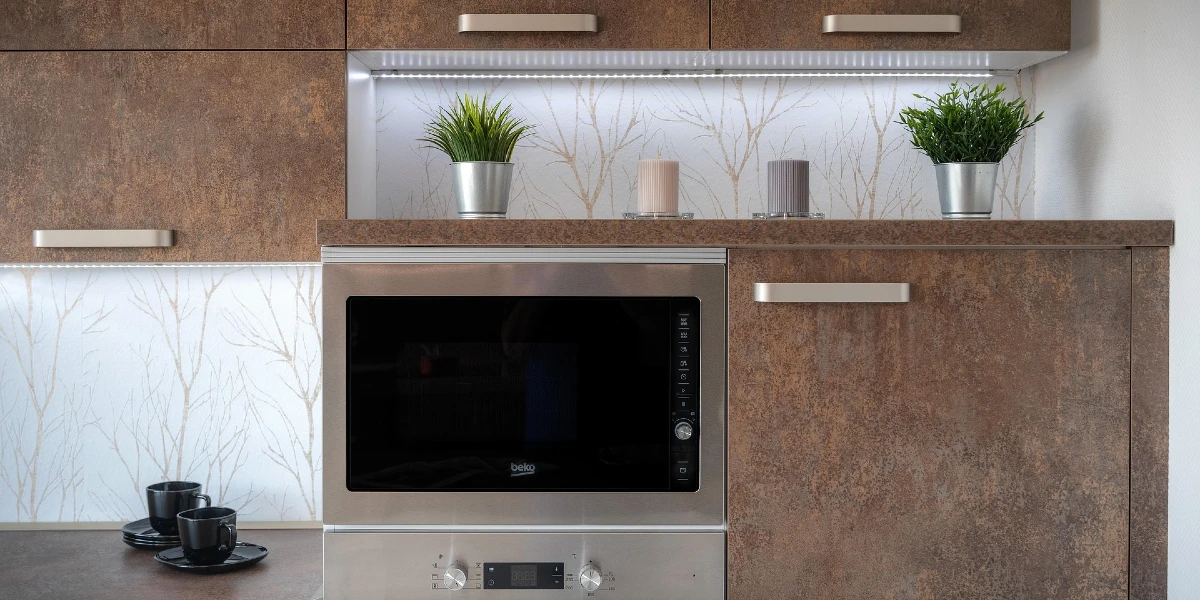
When an appliance breaks down, homeowners and renters often face a tough decision: should you repair it or replace it? The “50% Rule” can help guide this decision. This article will break down the rule, explain common appliance issues, and provide practical tips for making the best choice for your home.
Table of Contents
- Understanding the 50% Rule
- Common Appliance Issues
- Steps to Evaluate Repair or Replace
- Practical Consumer Tips
- Common Mistakes to Avoid
- Safety Notes and When to Call a Professional
- Summary
- Frequently Asked Questions
Understanding the 50% Rule
The 50% Rule is a simple guideline that suggests if the cost of repairing an appliance is more than 50% of the cost to replace it, you should consider buying a new one. This rule helps you weigh the financial implications of repair versus replacement.
How to Apply the 50% Rule
To use the 50% Rule effectively, follow these steps:
- Determine the repair cost: Get a quote from a technician or estimate the parts needed.
- Find the replacement cost: Research the price of a new appliance that meets your needs.
- Calculate 50% of the replacement cost: If the repair cost exceeds this amount, it may be time to replace.
Common Appliance Issues
Understanding common appliance failures can help you make informed decisions. Here are a few typical problems:
Refrigerators
Common symptoms include:
- Not cooling properly
- Excessive noise
- Leaking water
Potential causes range from a faulty thermostat to a broken compressor. Repair costs can vary significantly based on the issue.
Washing Machines
Look for signs such as:
- Not spinning or agitating
- Water not draining
- Unusual noises
Common issues include a clogged drain pump or a worn-out belt. Repairing these can be less expensive than replacing the entire unit.
Ovens
Symptoms to watch for include:
- Not heating
- Uneven cooking
- Faulty temperature control
These problems can often be fixed by replacing heating elements or thermostats.
Steps to Evaluate Repair or Replace
When deciding whether to repair or replace an appliance, consider the following steps:
1. Assess the Age of the Appliance
Most appliances last between 10 to 15 years. If your appliance is nearing the end of its lifespan, replacement may be wise.
2. Identify the Problem
Check for common symptoms and see if you can identify the issue. For example, if your refrigerator is not cooling, check the thermostat settings and clean the condenser coils.
3. Get Repair Estimates
Contact a professional for an estimate. Ask for a breakdown of parts and labor costs.
4. Compare Costs
Use the 50% Rule to compare the repair cost against the replacement cost. If the repair is over 50% of the replacement cost, consider buying a new appliance.
Practical Consumer Tips
Here are some helpful tips to keep in mind:
- Keep your appliances clean and well-maintained to extend their lifespan.
- Regularly check for warning signs, such as unusual noises or leaks.
- Research the average lifespan of your appliances to better understand when to expect issues.
- Consider energy efficiency when replacing appliances; newer models often save money on utility bills.
Common Mistakes to Avoid
Avoid these common pitfalls when deciding to repair or replace:
- Ignoring minor issues: Small problems can lead to bigger, more costly repairs.
- Not researching replacement costs: Always compare prices before making a decision.
- Overlooking warranty coverage: Check if your appliance is still under warranty, as repairs may be covered.
Safety Notes and When to Call a Professional
Safety should always come first. Here are some guidelines:
- Unplug appliances before attempting any repairs.
- If you smell gas or suspect a gas leak, evacuate the area and call a professional immediately.
- For complex issues, such as electrical problems, its best to call a technician.
Summary
The 50% Rule is a valuable tool for homeowners and renters when faced with appliance issues. By understanding the costs of repair versus replacement, you can make informed decisions that save you money and hassle. Always prioritize safety and consider professional help when necessary.
Frequently Asked Questions
- How do I know if my appliance is worth repairing? If the repair cost is less than 50% of the replacement cost and the appliance is relatively new, its usually worth repairing.
- What if my appliance is under warranty? Check your warranty details; repairs may be covered, making it more cost-effective to repair.
- Can I fix my appliance myself? Some minor issues can be fixed with basic tools, but always prioritize safety and call a professional for complex problems.
- What are the signs that I should replace my appliance? If its frequently breaking down, has a high repair cost, or is over 10 years old, consider replacement.
- How can I maintain my appliances? Regular cleaning, following manufacturer guidelines, and addressing issues promptly can extend the lifespan of your appliances.
Feeling confident about your appliance decisions is important. Use the 50% Rule to guide you, and dont hesitate to reach out to a professional when in doubt. Your appliances are essential to your home, and making the right choice can save you time and money.